Every day, people throw away things such as paper, plastic bottles, metal cans and cardboard boxes. If all this rubbish ended up in landfills or the natural environment, it could create serious problems for our planet. Fortunately, there is a way to reduce waste and help protect nature: recycling.
Recycling is one of the easiest ways people can help the environment. It saves resources, reduces pollution and helps keep our communities cleaner. Even small actions, such as placing a bottle in a recycling bin, can make a difference.
Let’s explore why recycling is so important and how everyone, including children, can help.
What Is Recycling?
Recycling is the process of collecting and processing used materials so they can be turned into new products.
Instead of throwing items away, many materials can be reused to create something useful again.
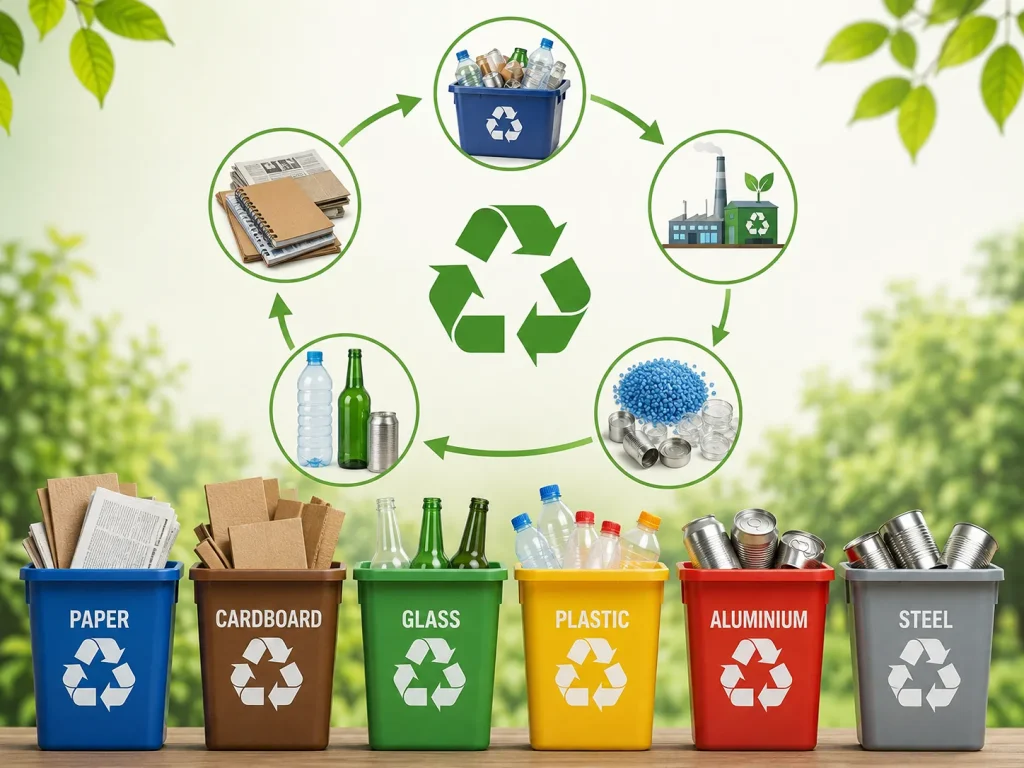
Common recyclable materials include:
- Paper
- Cardboard
- Glass
- Plastic
- Aluminium
- Steel
For example, an old plastic bottle may be recycled into a new bottle, while used paper can become new notebooks or newspapers.
Why Is Recycling Important?
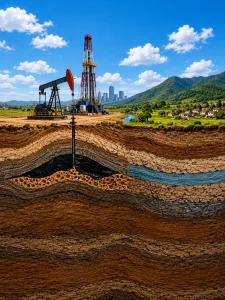
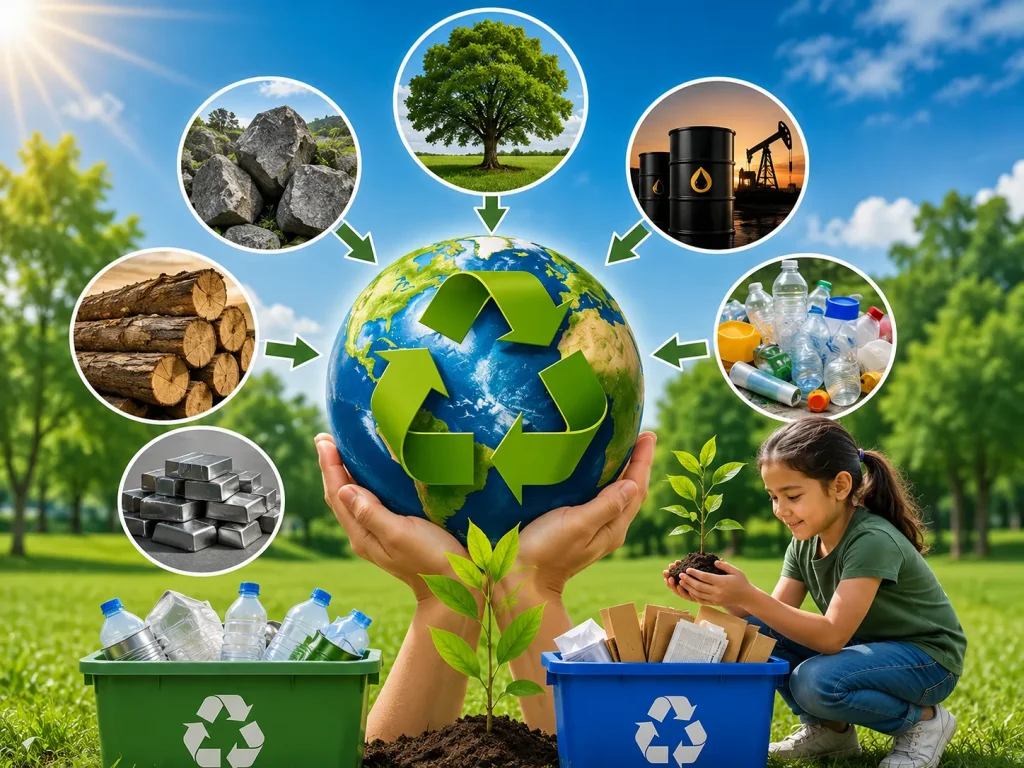
Our planet has limited natural resources—many of the products we use come from natural materials.
Trees provide wood and paper.
Metals come from rocks and minerals mined from the Earth.
Plastic is often made from petroleum.
If we constantly use new resources without recycling, we can deplete valuable materials more quickly.
Recycling helps conserve these resources, so they remain available for future generations.
Reducing Waste
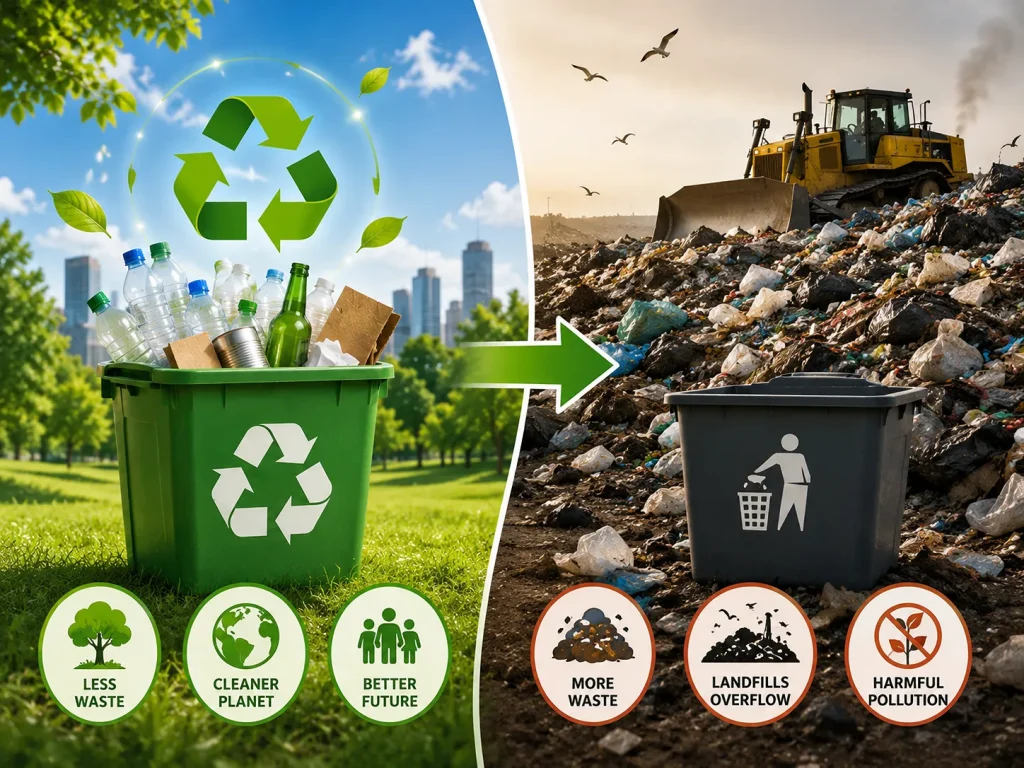
One of the biggest benefits of recycling is reducing the amount of waste sent to landfills.
Landfills are places where rubbish is buried.
As populations grow, more waste is produced. If too much rubbish accumulates, landfills can become overcrowded.
Recycling helps reduce the volume of waste that needs to be disposed of, making waste management easier and more efficient.
Saving Trees and Forests
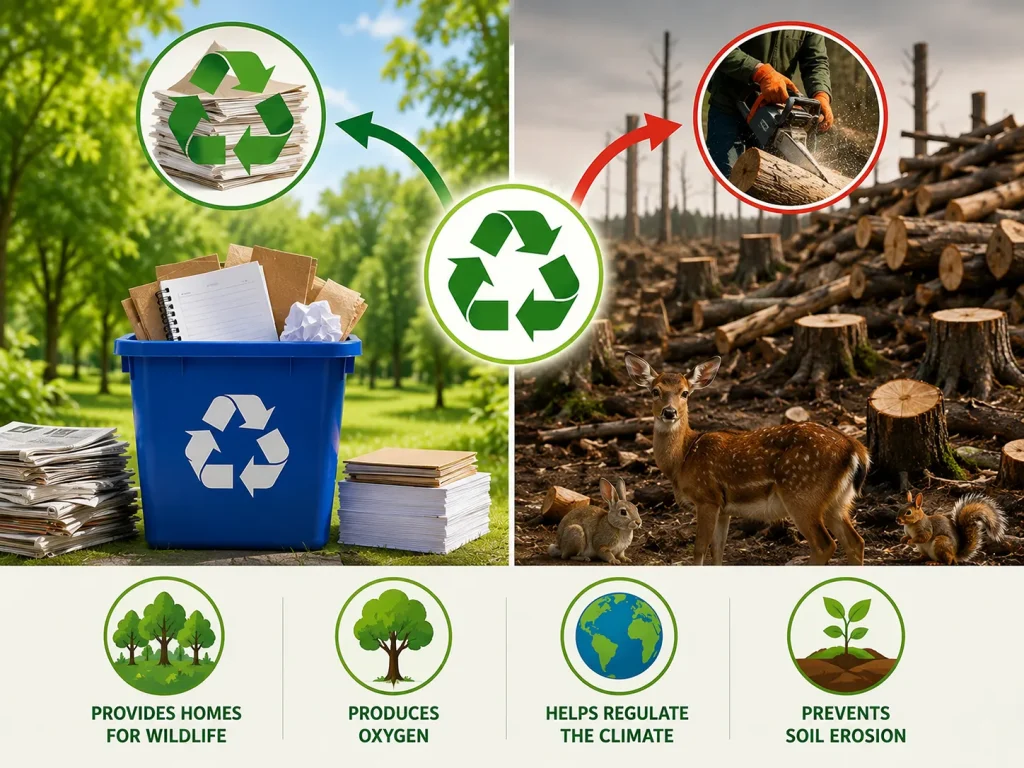
Paper products are often made from trees.
When paper is recycled, fewer new trees need to be cut down to produce paper products.
Forests are important because they:
- Provide homes for wildlife.
- Produce oxygen.
- Help regulate the climate.
- Prevent soil erosion.
By recycling paper, people can help protect forests and the animals that live there.
Conserving Energy
Making products from recycled materials often uses less energy than producing them from raw materials.
For example:
- Recycling aluminium generally uses much less energy than creating new aluminium from ore.
- Recycling paper can require less energy than making paper from newly cut trees.
When energy use decreases, fewer fuels may be needed, helping reduce pollution.
Reducing Pollution
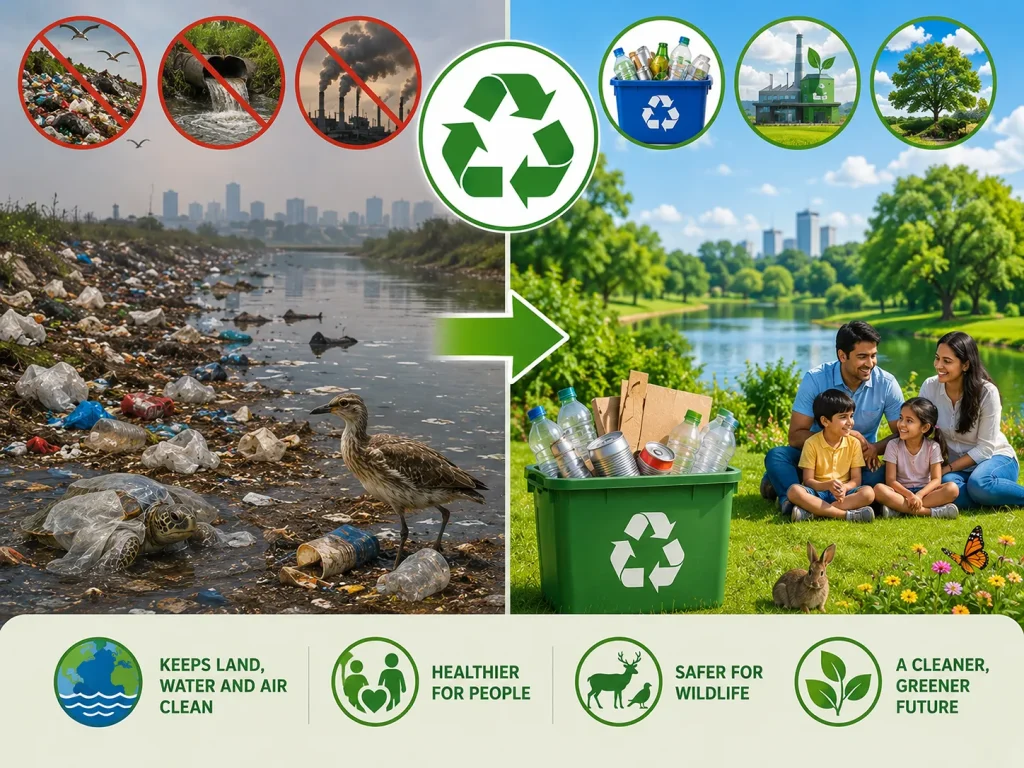
Waste can pollute land, water and air.
When rubbish is not properly managed, it may end up in rivers, lakes, oceans or natural habitats.
Recycling helps reduce pollution by keeping reusable materials out of the environment and reducing the need for certain manufacturing processes that may create pollution.
Cleaner environments are healthier for both people and wildlife.
Protecting Wildlife
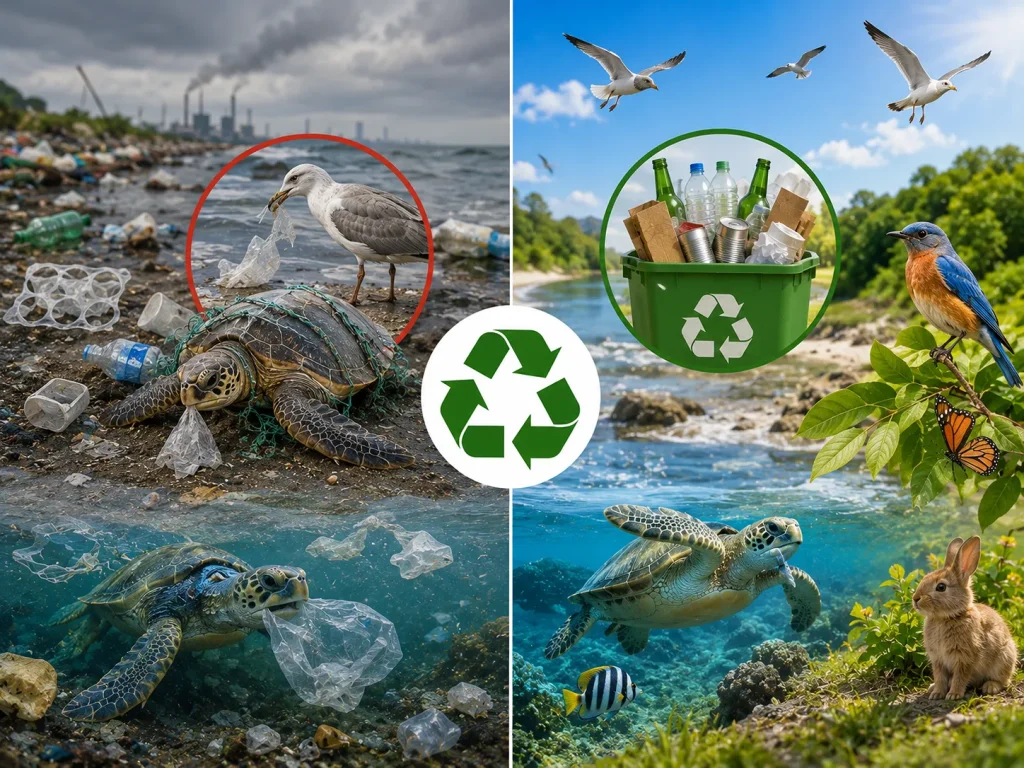
Animals can be harmed by litter and waste.
Plastic waste can cause problems for marine animals, birds and other wildlife.
Animals may accidentally eat discarded materials or become trapped in them.
By recycling and properly disposing of waste, people can help reduce these dangers and protect ecosystems around the world.
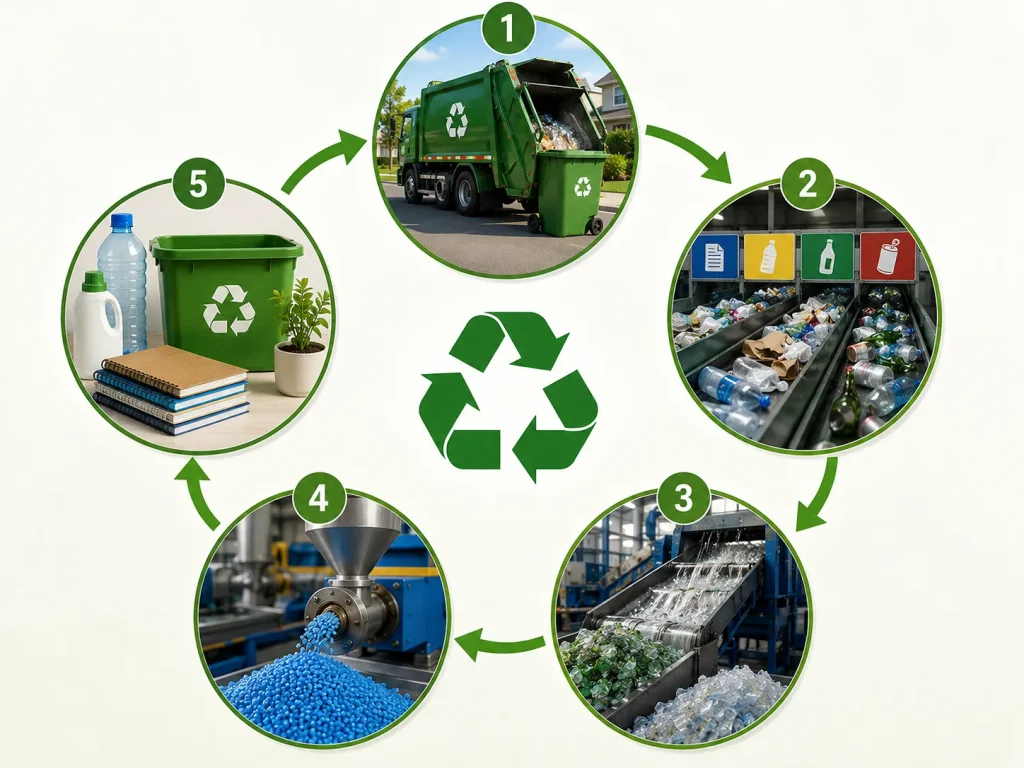
What Happens During Recycling?
Many people place items into recycling bins, but what happens next?
The recycling process often includes several steps:
1. Collection
Recyclable materials are collected from homes, schools and businesses.
2. Sorting
The materials are separated into categories such as paper, plastic, metal and glass.
3. Processing
The materials are cleaned and prepared for recycling.
4. Manufacturing
The recycled materials are used to create new products.
5. Reuse
Consumers purchase and use the new products, continuing the cycle.
This process helps transform old items into useful new ones.
What Can Children Recycle?
Children can help by learning which items are commonly recyclable.
Examples may include:
- Paper
- Newspapers
- Cardboard boxes
- Plastic bottles
- Metal drink cans
- Glass jars
However, recycling rules can vary from place to place. It is always a good idea to check local recycling guidelines.
Learning about recycling helps children develop environmentally friendly habits that can last a lifetime.
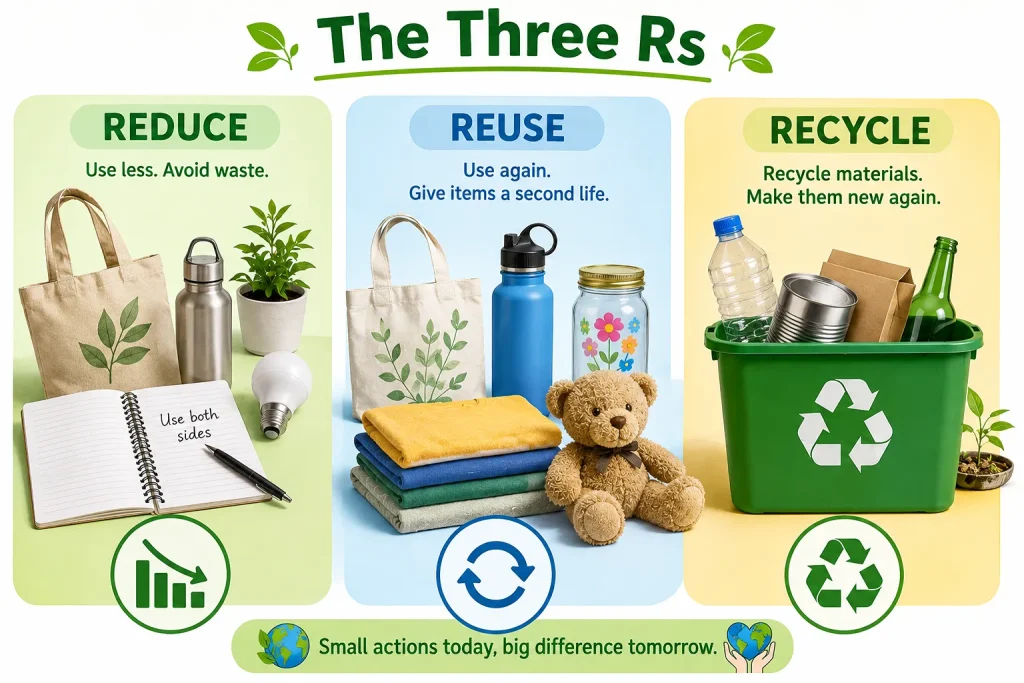
The Three Rs: Reduce, Reuse and Recycle
Many environmental experts talk about the Three Rs:
Reduce
Use fewer resources and avoid creating unnecessary waste.
For example:
- Use both sides of paper.
- Turn off lights when not needed.
- Avoid unnecessary packaging.
Reuse
Use items again instead of throwing them away.
For example:
- Reuse shopping bags.
- Refill water bottles.
- Donate old toys and clothes.
Recycle
Recycle materials that can be processed into new products.
Together, the Three Rs help reduce environmental impact.
Recycling Around the World
Countries around the world encourage recycling in different ways.
Many communities provide recycling bins and collection services. Some countries also run educational programmes that teach people how to recycle correctly.
As awareness grows, more people are learning about the importance of reducing waste and protecting the environment.
Fun Recycling Facts
Aluminium cans can often be recycled many times.
Glass can also be recycled repeatedly without losing quality.
Recycling helps conserve natural resources.
Paper recycling can help reduce the need to cut down trees.
Many everyday products contain recycled materials.
Small recycling actions performed by millions of people can have a large impact.
How Can You Help?
You don’t need to be an environmental scientist to make a difference.
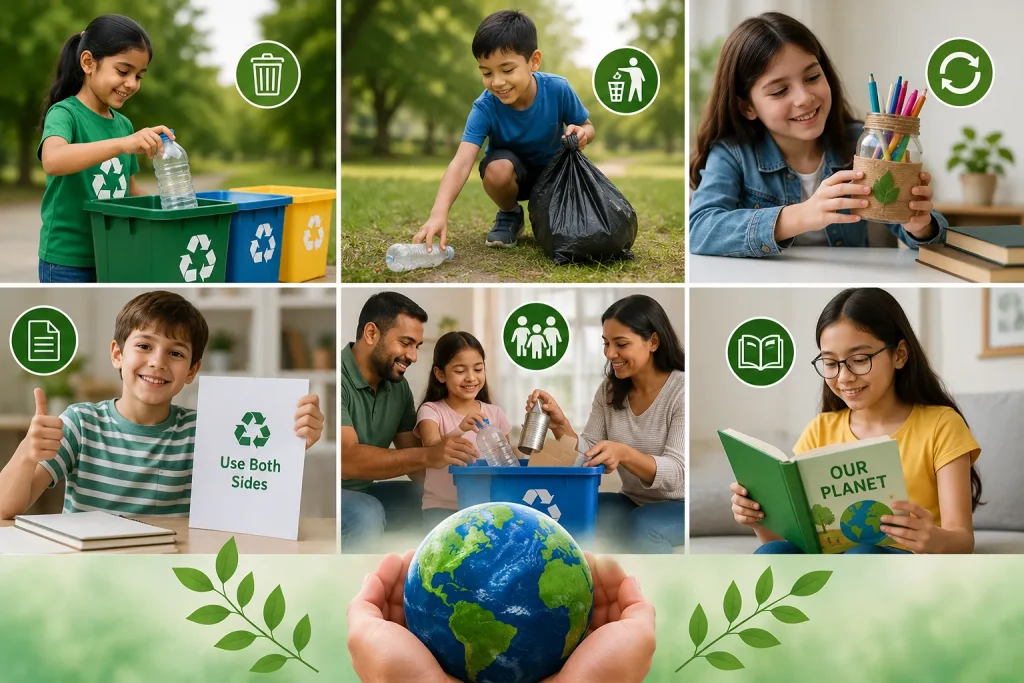
Here are some simple ways children can help:
- Use recycling bins correctly.
- Avoid littering.
- Reuse materials when possible.
- Save paper.
- Encourage family members to recycle.
- Learn more about environmental protection.
Even small actions can contribute to a cleaner and healthier planet.
Recycling and the Future
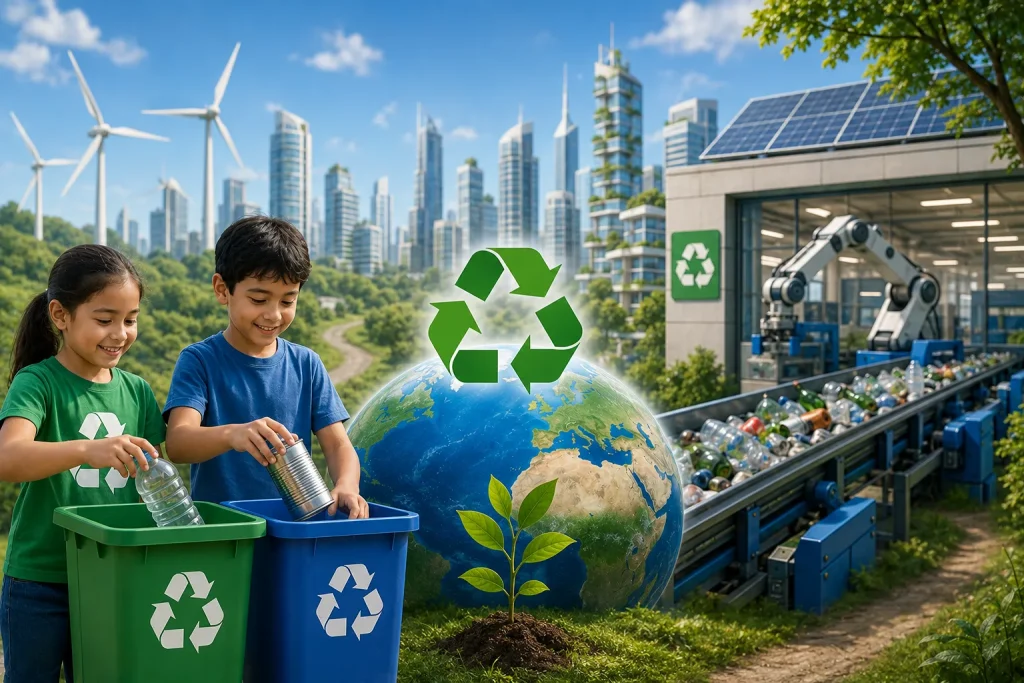
As the world’s population grows, managing waste becomes increasingly important.
Scientists, engineers and environmental organisations continue to develop new recycling technologies and better ways to reuse materials.
Future innovations may make recycling even more efficient and help reduce environmental challenges.
The choices people make today can help create a cleaner future for everyone.
Conclusion
Recycling is one of the simplest and most effective ways to protect the environment. It helps reduce waste, conserve natural resources, save energy, reduce pollution and protect wildlife.
By understanding the importance of recycling and practicing the Three Rs—Reduce, Reuse and Recycle—children can play an important role in caring for the planet.
Every recycled bottle, can, or sheet of paper is a small step towards a cleaner world. When millions of people take those small steps together, they can make a big difference.
So, the next time you see a recycling bin, remember that using it is more than just throwing something away—it’s helping to protect Earth for future generations.
For more interesting articles, please visit www.kidzherald.com