
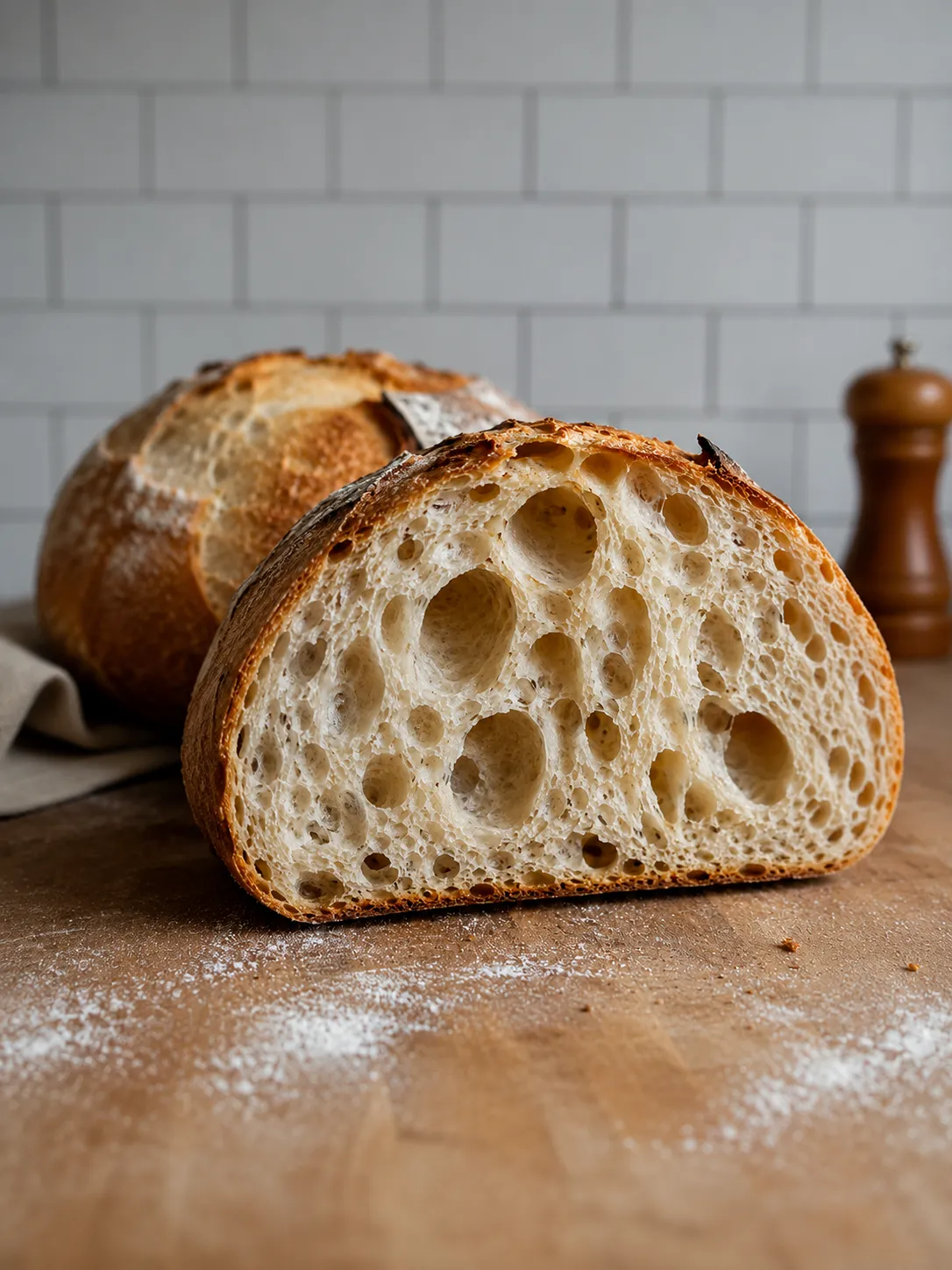
Have you ever looked closely at a slice of bread and noticed all the little holes inside it?
Some breads have tiny holes, while others, such as sourdough bread, can have large holes that look like little caves. These holes are not mistakes made by bakers—they are actually an important part of how bread is made!
But where do these holes come from? Why does bread not stay solid all the way through?
The answer involves tiny living organisms, trapped gases, and a fascinating bit of food science. Let’s explore the secret behind the holes in bread!
What Is Bread Made Of?
Bread is one of the oldest and most popular foods in the world.
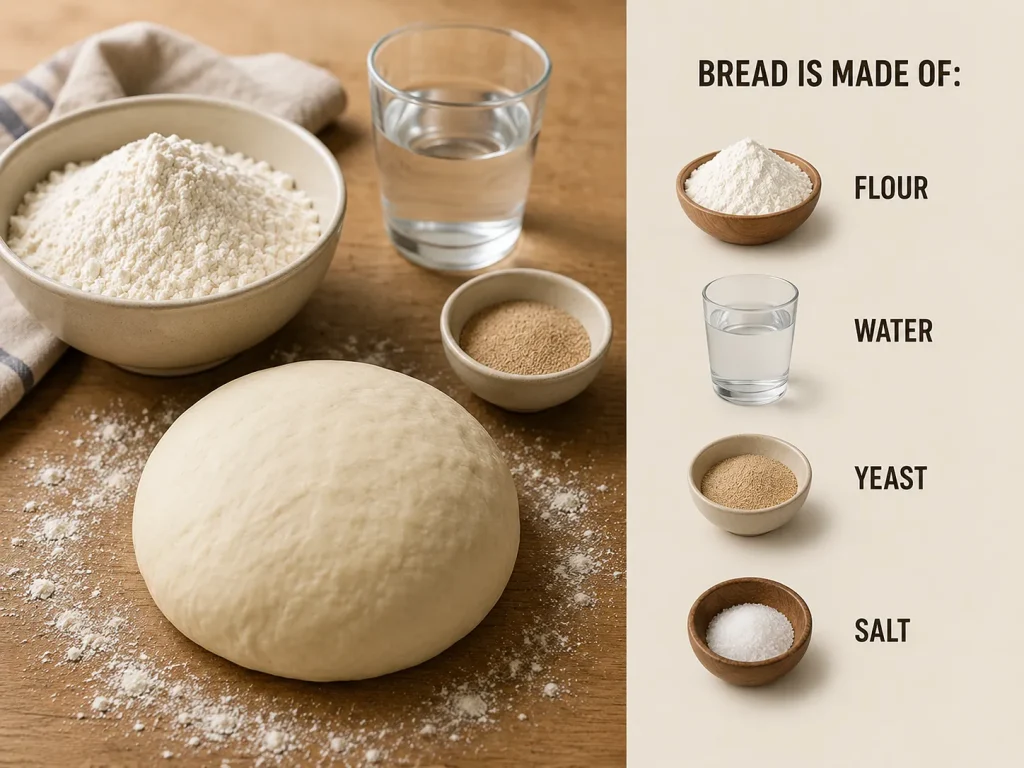
A basic loaf of bread is usually made from:
- Flour
- Water
- Yeast
- Salt
When these ingredients are mixed, they form a soft dough.
At first, the dough looks smooth and solid. There are no obvious holes inside it.
So, what changes?
Meet Yeast: The Tiny Bread Maker
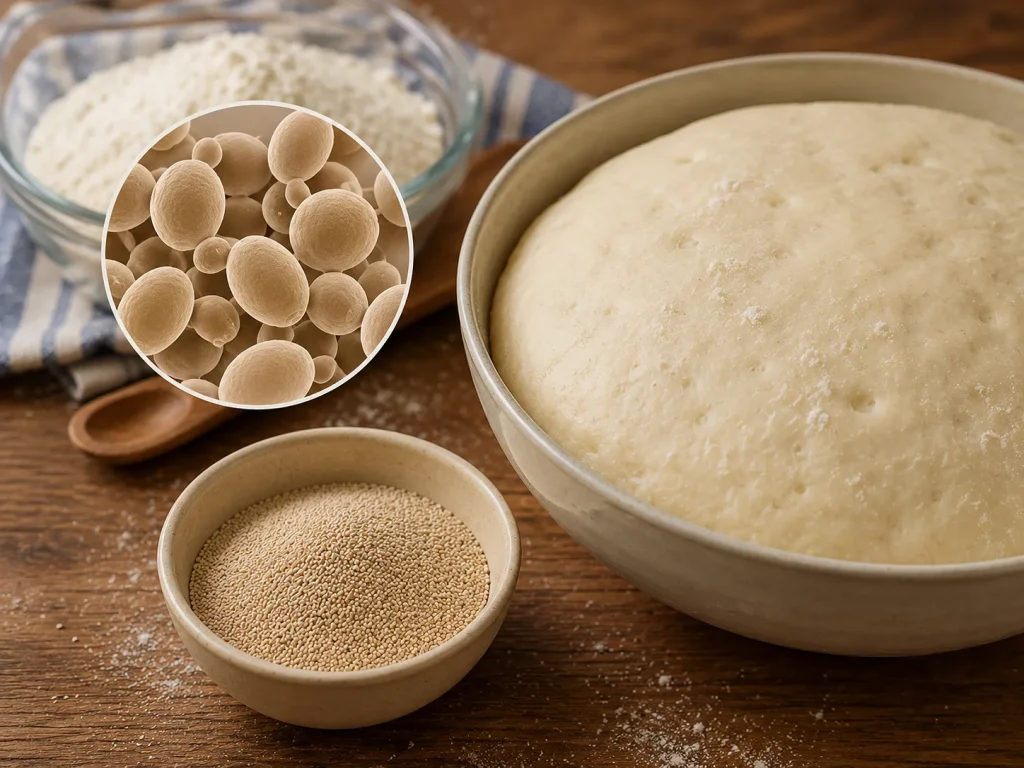
The star of the story is yeast.
Yeast is a tiny living organism, so small that you cannot see individual yeast cells without a microscope.
When yeast is mixed with dough, it begins feeding on sugars found in the flour.
As yeast eats these sugars, it produces:
- Carbon dioxide gas
- Small amounts of alcohol
This process is called fermentation.
The carbon dioxide gas is the key to creating the holes in bread.
How Do Gas Bubbles Form?
Imagine blowing air into a balloon.
As more air enters, the balloon expands.
Something similar happens inside bread dough.
The carbon dioxide produced by the yeast forms tiny gas bubbles throughout the dough.
These bubbles become trapped in the dough rather than escaping immediately.
Over time, the bubbles grow larger and larger.
The Role of Gluten
You might wonder why the gas bubbles do not simply float away.
The answer is a special protein called gluten.
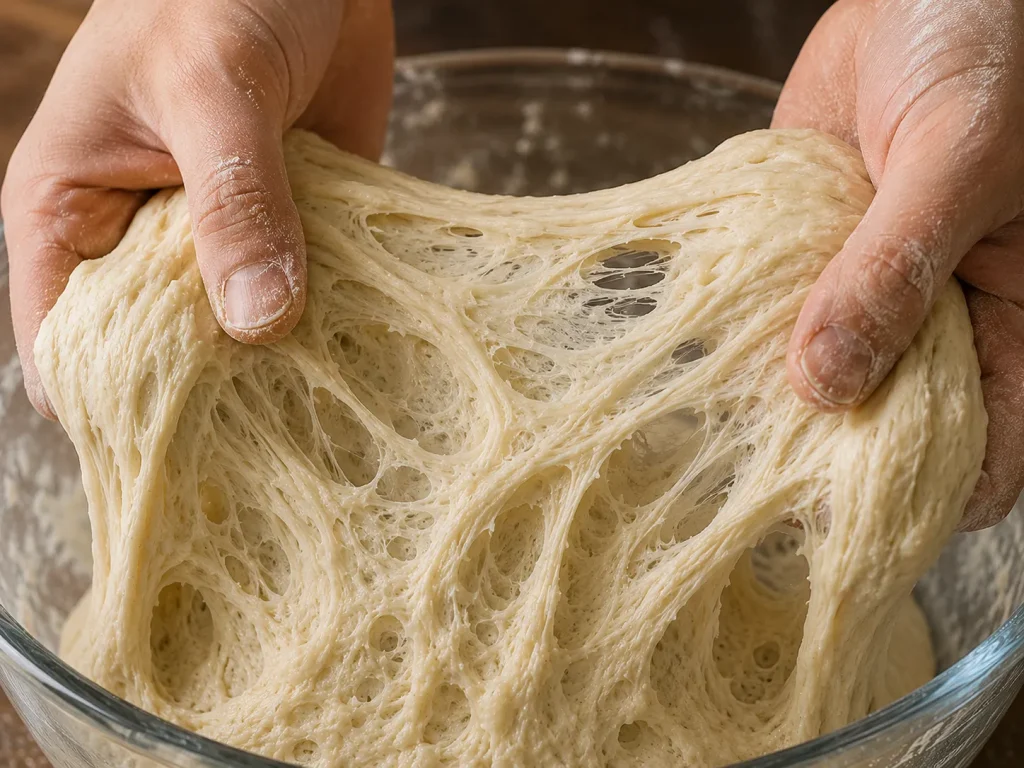
When flour and water are mixed, gluten forms a stretchy network throughout the dough.
Think of gluten as a giant elastic net.
This net helps trap the gas bubbles produced by the yeast.
Without gluten, the gas would escape, and the bread would not rise properly.
Why Does Dough Rise?
As more gas bubbles form, they push against the dough.
The dough begins to expand and rise.
This is why bread dough often doubles in size before baking.
The rising process is called proofing.
During proofing:
- Yeast continues producing gas.
- Gas bubbles become larger.
- The dough becomes lighter and fluffier.
The future holes in the bread are already forming during this stage.
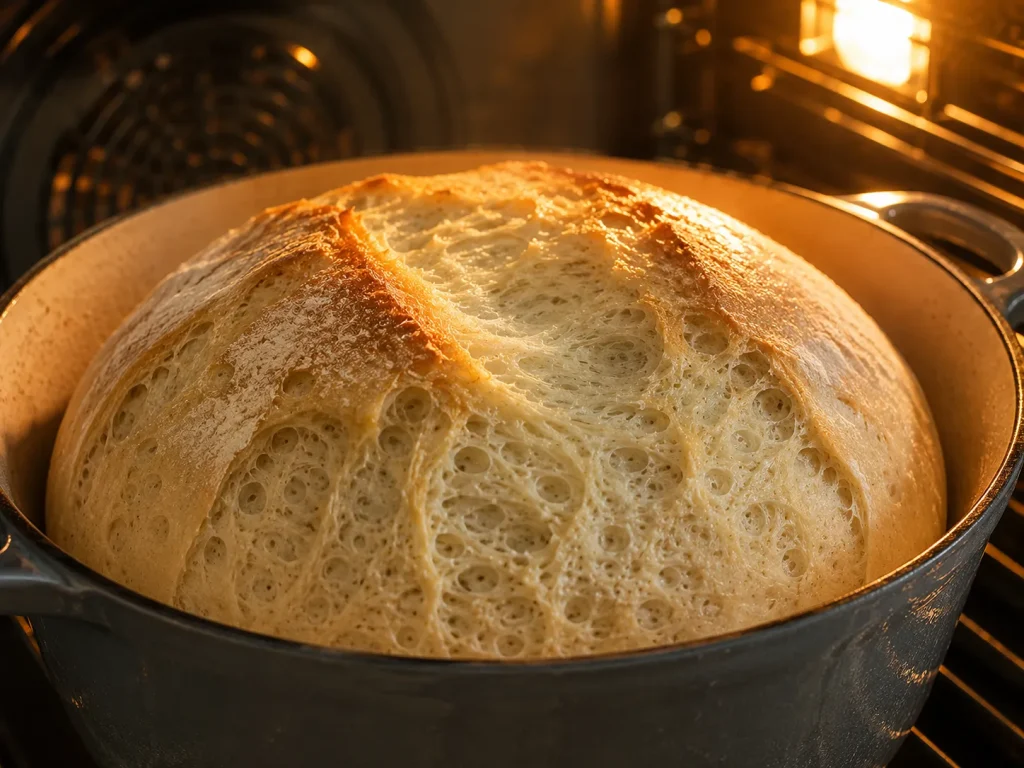
What Happens in the Oven?
When the dough is placed into a hot oven, even more exciting things happen.
The heat causes:
- The trapped gases expand.
- The yeast works faster for a short time.
- Water inside the dough turns into steam.
All these effects make the gas bubbles grow even larger.
This final burst of expansion is sometimes called “oven spring.”
The bread rises quickly before the heat eventually stops the yeast from working.
How the Holes Become Permanent
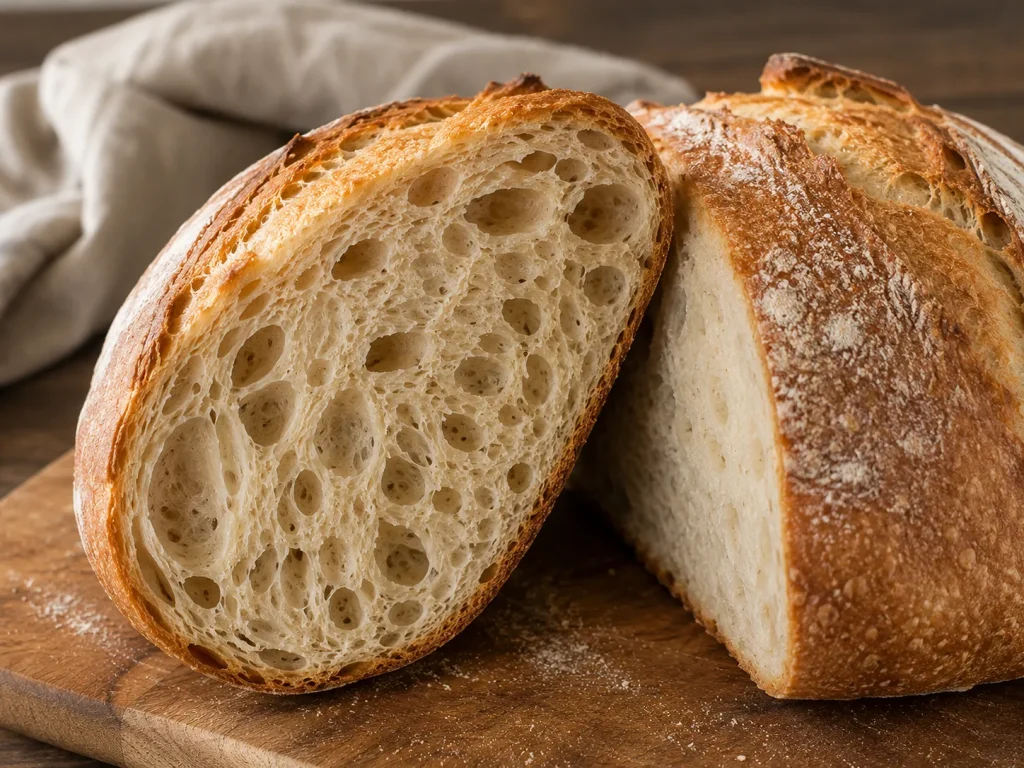
As the bread bakes, the dough changes from soft and stretchy to firm and solid.
The gluten structure hardens and sets.
The gas bubbles remain trapped inside.
When the loaf cools, the spaces left behind become the holes we see when slicing the bread.
These holes are known as the bread’s crumb structure or pores.
Why Do Some Breads Have Bigger Holes?
Not all breads look the same inside.
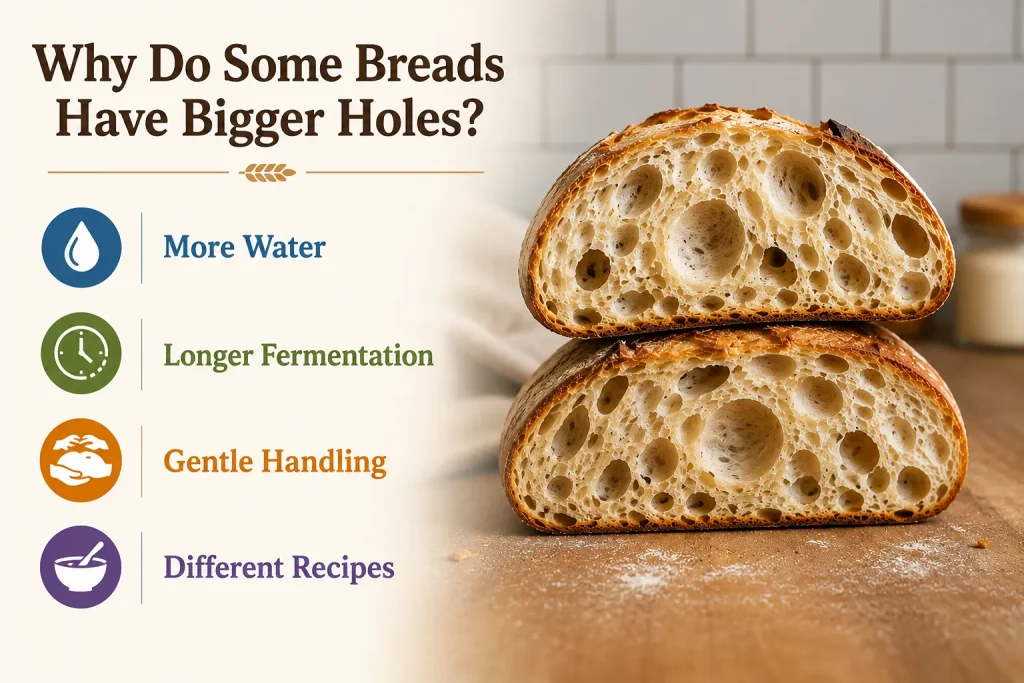
Different factors affect hole size.
More Water
Doughs with more water often create larger holes.
This is one reason why sourdough bread can have big, irregular holes.
Longer Fermentation
When dough ferments for longer periods, gas bubbles have more time to grow.
Gentle Handling
If bakers handle dough carefully, many of the gas bubbles remain intact.
This can create a more open and airy texture.
Different Recipes
Different ingredients and baking methods also affect the final appearance of the bread.
Why Doesn’t Flatbread Have Many Holes?
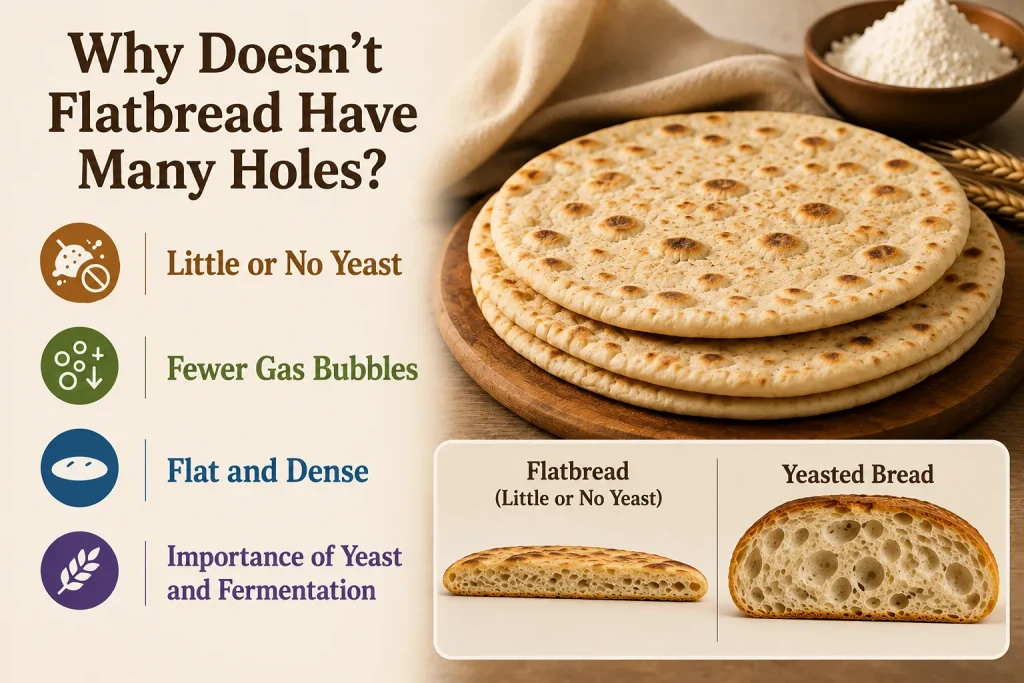
Some breads, such as certain flatbreads, contain little or no yeast.
Without much fermentation, fewer gas bubbles form.
As a result, these breads stay relatively flat and dense.
This shows how important yeast and fermentation are in creating the familiar texture of many loaves.
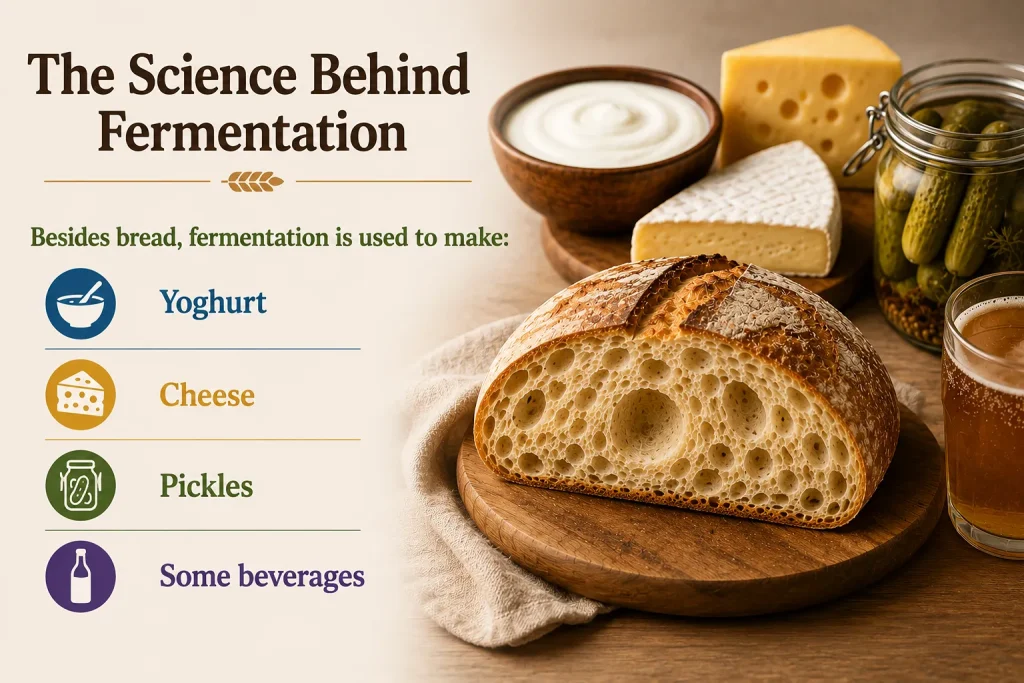
The Science Behind Fermentation
Fermentation may sound complicated, but it happens in many foods.
Besides bread, fermentation is used to make:
- Yoghurt
- Cheese
- Pickles
- Some beverages
In bread making, fermentation is especially important because it creates flavour, texture, and those famous holes.
Without fermentation, bread would look and taste very different.
Are Bigger Holes Better?
Not necessarily!
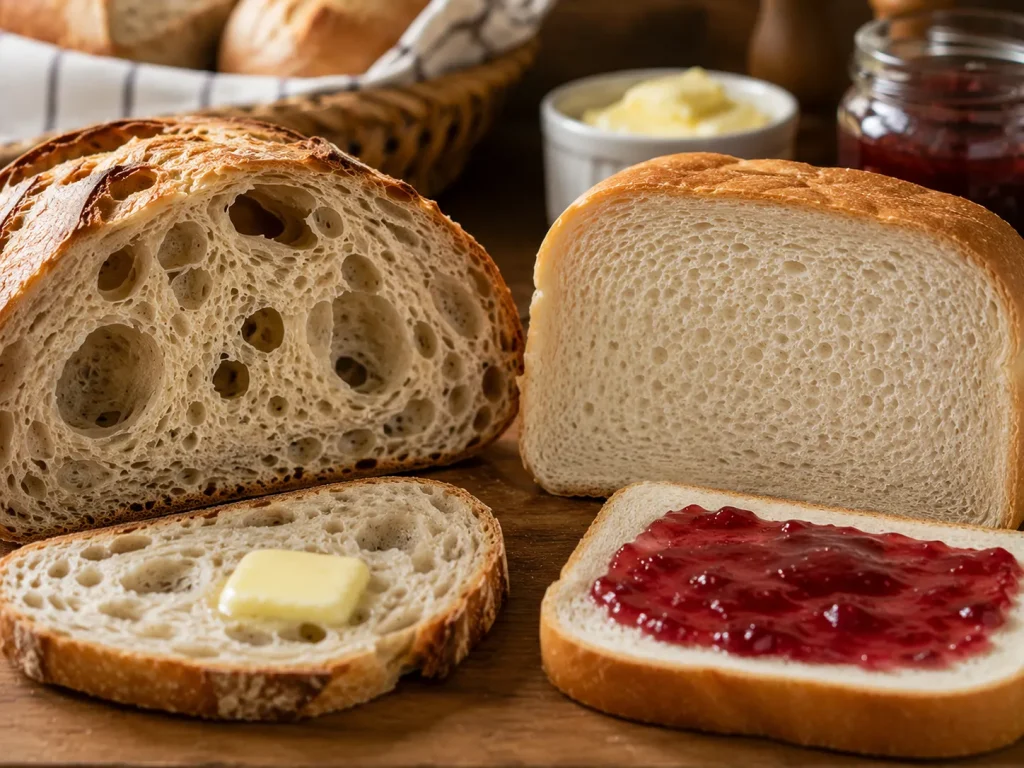
Some people love bread with large, open holes because they have a chewy texture and rustic appearance.
Others prefer bread with many small holes because it is easier to spread butter, jam, or chocolate spread onto it.
Neither style is better—they are simply different.
Fun Bread Facts
Here are some fun facts about bread:
- Bread has been made for thousands of years.
- Yeast is a living organism.
- Carbon dioxide gas is the main cause of bread holes.
- Gluten helps trap gas inside dough.
- Sourdough bread often has larger holes than sandwich bread.
- Every loaf has a unique pattern of holes.
Why Bread Is a Great Science Experiment
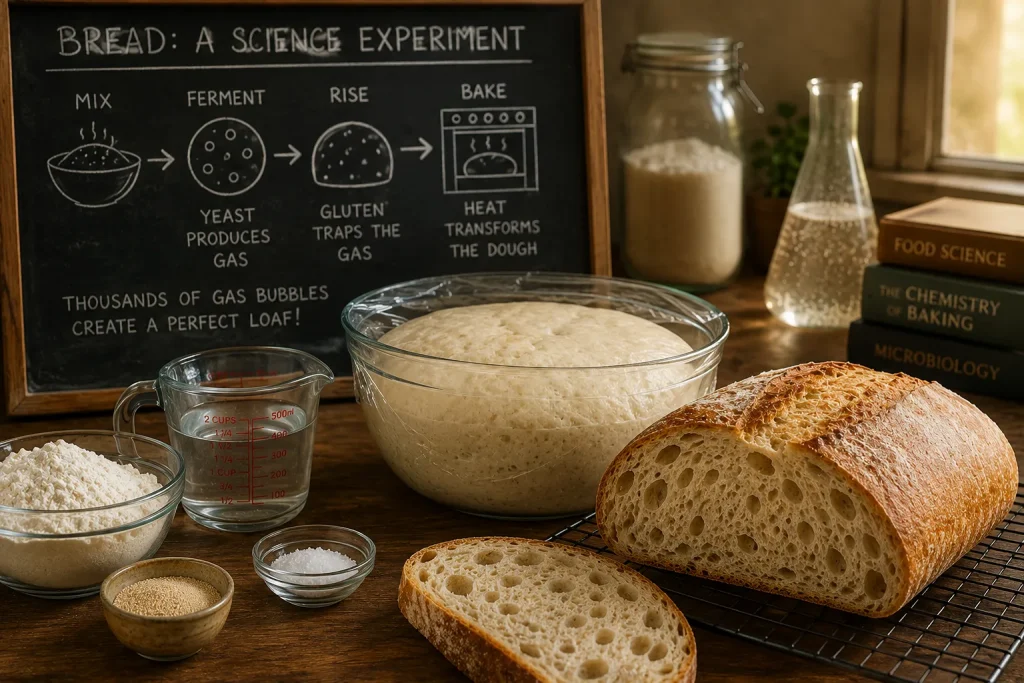
Bread making is really a science experiment you can eat!
When bakers mix flour, water, yeast, and salt, they create the perfect conditions for fermentation.
The yeast produces gas, the gluten traps it, the dough rises, and the oven transforms everything into a delicious loaf filled with tiny pockets of air.
Every slice tells the story of thousands of gas bubbles working together.
Conclusion
The holes in bread are created mainly by carbon dioxide gas produced by yeast during fermentation. As the yeast feeds on sugars, it releases gas that becomes trapped inside the dough by a stretchy gluten network.
During baking, these gas bubbles expand and become permanent as the bread sets. The result is the light, fluffy texture we enjoy in many types of bread.
So the next time you look at a slice of bread, remember that every hole is evidence of a fascinating scientific process involving tiny living organisms, trapped gases, and a little baking magic!
For more interesting articles, please visit www.kidzherald.com