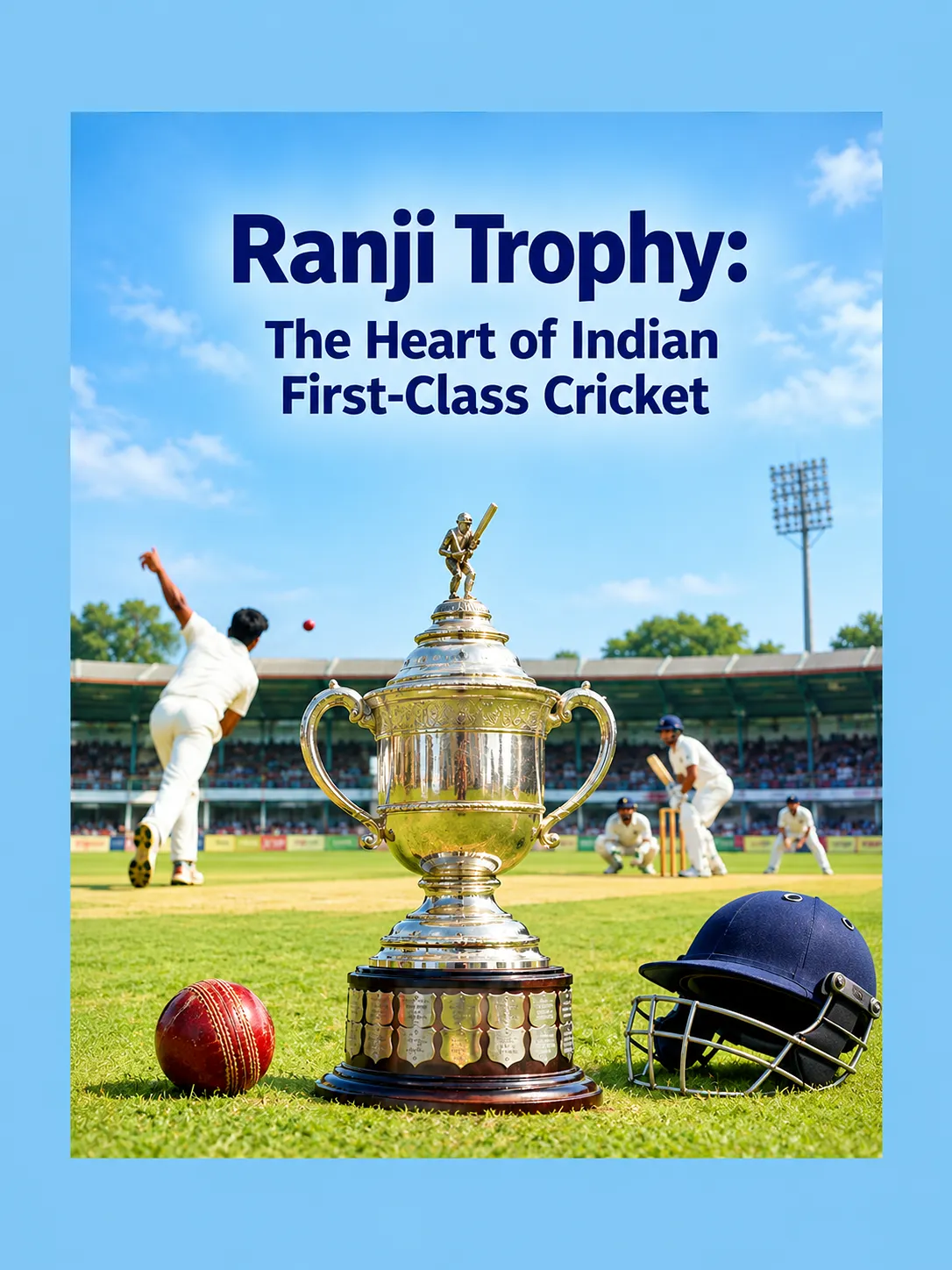
If you love cricket, you have probably heard of the Ranji Trophy. It may not receive as much attention as the Indian Premier League, but it is one of the most important cricket competitions in India.
The Ranji Trophy is a first-class cricket tournament in which teams representing states, regions and cricket associations compete against each other. It has been an important part of Indian cricket for nearly a century and has helped many talented players move towards the international game.
But what makes the Ranji Trophy so special? Let’s find out!
What Is the Ranji Trophy?
The Ranji Trophy is India’s major domestic first-class cricket competition.
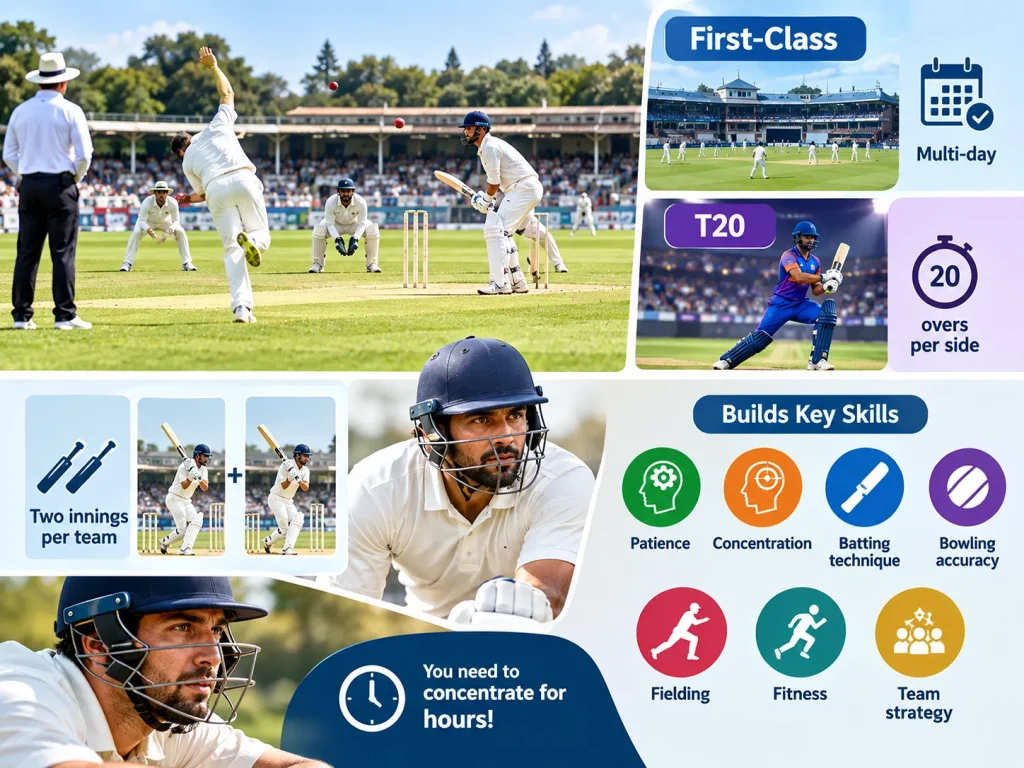
First-class cricket is a longer form of the game. Unlike a T20 match, which can finish in a few hours, a Ranji Trophy match is normally played over several days.
This gives batters plenty of time to build large scores and gives bowlers opportunities to test their skills over long spells.
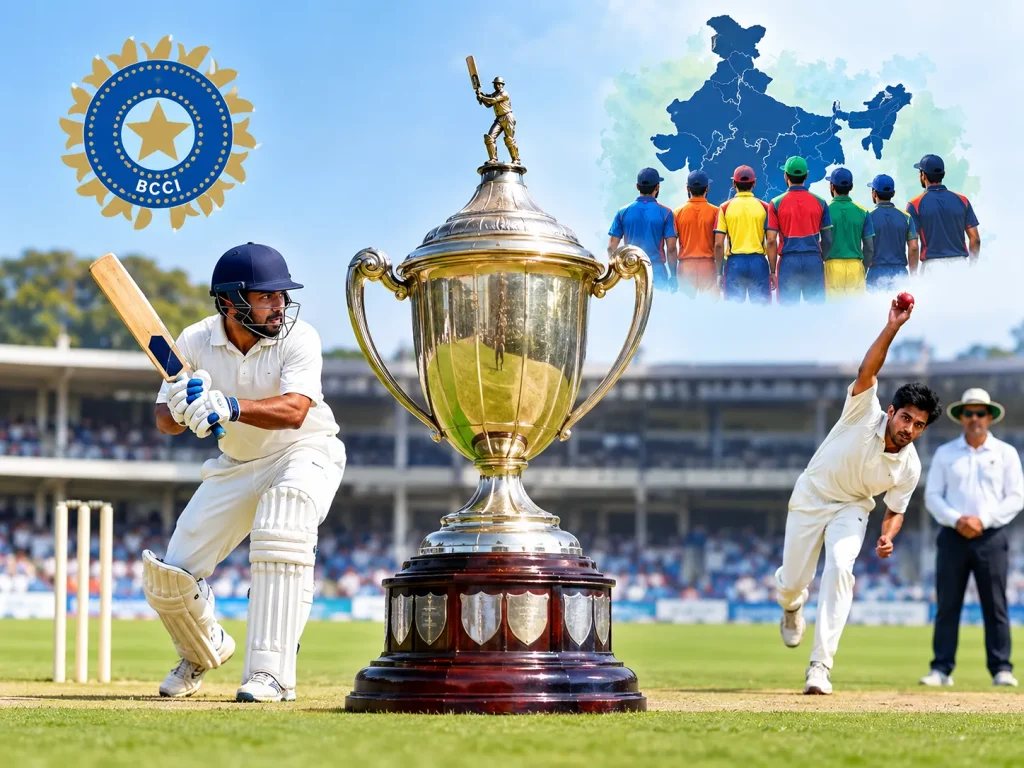
The competition is organised under the Board of Control for Cricket in India (BCCI).
Teams represent different Indian cricket associations, giving players from across the country an opportunity to compete at a high level.
How Did the Ranji Trophy Begin?
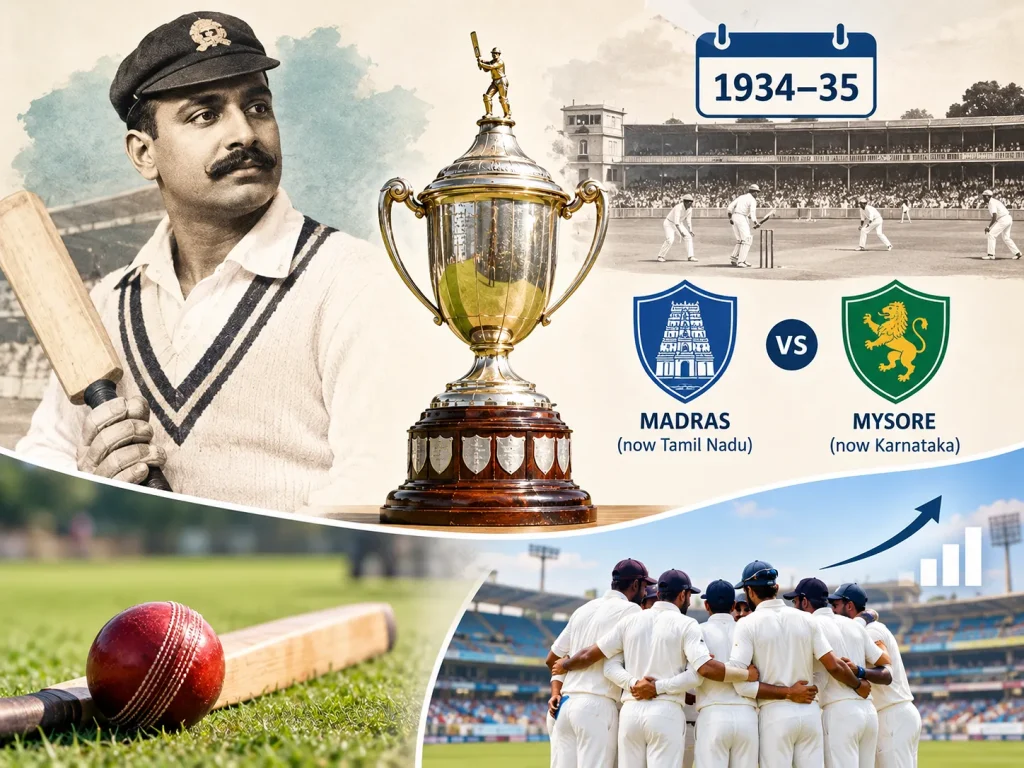
The Ranji Trophy began in the 1934–35 season.
It was named after Ranjitsinhji, one of the most famous Indian cricketers of the sport’s early days.
Ranjitsinhji, often known simply as “Ranji”, was a brilliant batter who played international cricket for England. He became famous for his elegant batting and helped make cricket history.
The trophy named after him became a major competition for India’s domestic teams.
The first Ranji Trophy match was played in 1934 between Madras (now Tamil Nadu) and Mysore (now Karnataka).
Since then, the tournament has grown considerably.
What Does “First-Class” Mean?
You might wonder what makes Ranji Trophy cricket different from the cricket you usually see on television.
A first-class match is a high-level, multi-day cricket match.
Teams generally can bat twice, meaning that both sides can have two innings.
This is very different from T20 cricket, where each team normally gets only 20 overs.
First-class cricket tests skills such as:
- Patience
- Concentration
- Batting technique
- Bowling accuracy
- Fielding
- Fitness
- Team strategy
A player might have to concentrate for several hours in a single day!
How Does a Ranji Trophy Match Work?
Ranji Trophy matches use the traditional red cricket ball and are played over multiple days.
A match can last for up to four days.
The basic idea is like Test cricket.
Each team tries to score more runs than the other while taking wickets.
Batters try to remain at the crease and score runs, while bowlers attempt to dismiss them.
Because there is plenty of time, a batter may need to concentrate for a long period rather than trying to score as quickly as possible.
This makes Ranji Trophy cricket an excellent test of technique and patience.
How Is the Tournament Organised?
The format of the Ranji Trophy has changed several times over the years.
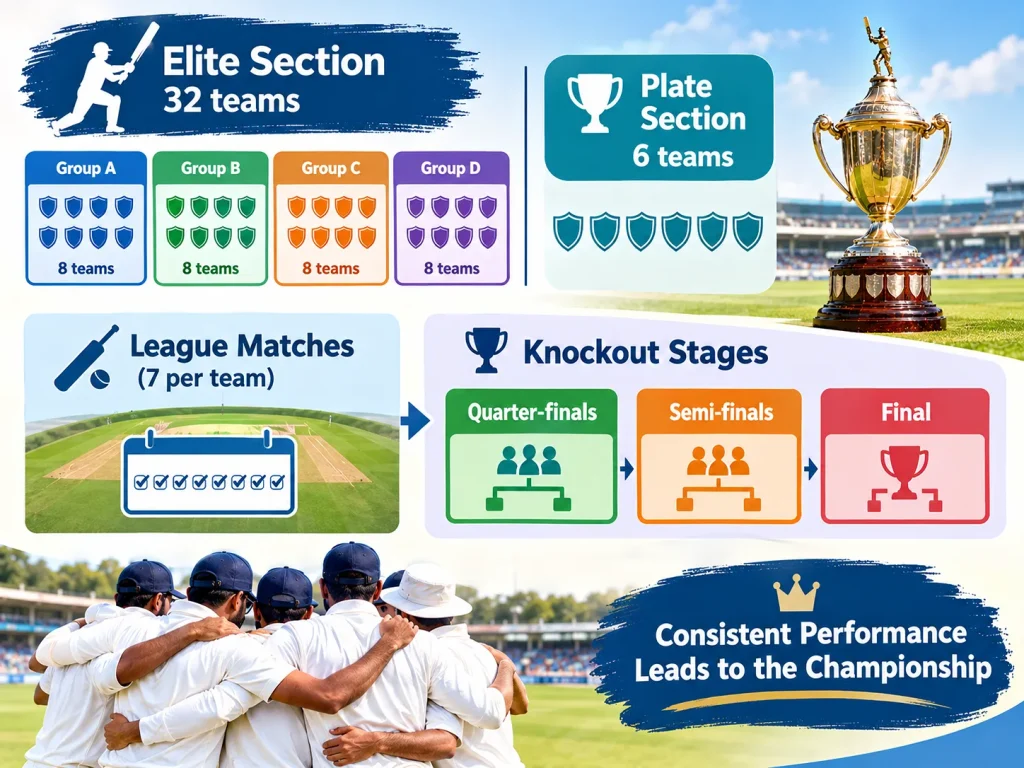
In the current structure for the 2026–27 season, the Elite section has 32 teams divided into four groups of eight, while the Plate section contains six teams. Each Elite team plays seven league matches before the knockout stages.
The top teams progress to the knockout stages, where they compete in the quarter-finals, semi-finals and final.
This means a team has to perform consistently throughout the competition if it wants to become champion.
Why Is the Ranji Trophy Important?
The Ranji Trophy is extremely important because it gives cricketers a chance to develop their skills at a high level.
Before becoming international stars, many Indian cricketers have played domestic cricket.
The tournament allows selectors and coaches to watch players competing in challenging conditions.
A young batter who scores lots of runs or a bowler who regularly takes wickets can attract attention and earn opportunities at higher levels.
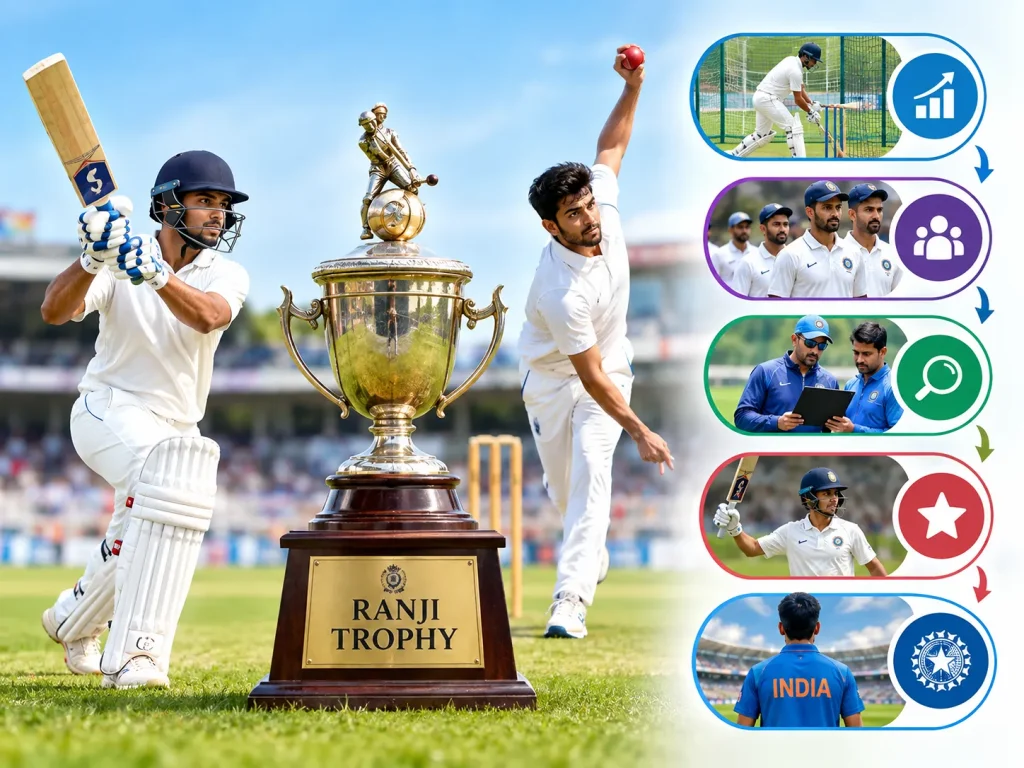
In this way, domestic cricket forms an important part of the pathway towards representing India.
What Skills Do Players Need?
Ranji Trophy cricket requires more than simply being able to hit a cricket ball.
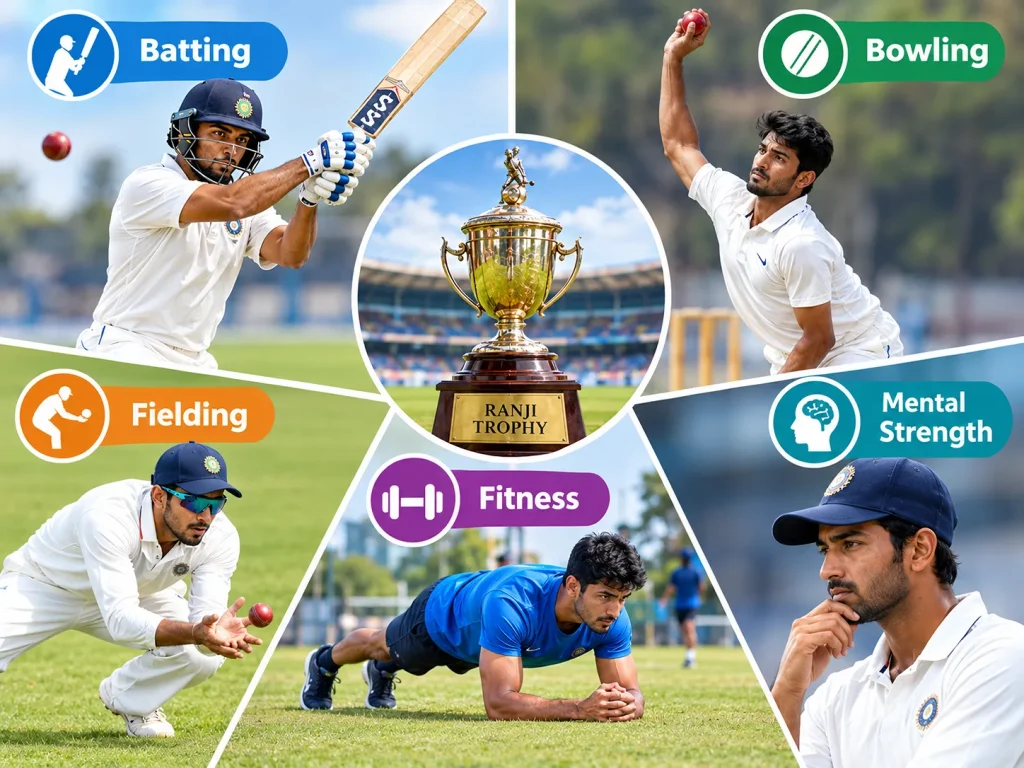
Batting
Batters need excellent technique and concentration.
They may face fast bowlers, spin bowlers and changing pitch conditions.
Bowling
Bowlers need accuracy and patience.
A bowler may have to deliver many overs while looking for a chance to dismiss a batter.
Fielding
Fielders need quick reactions and good throwing skills.
A single dropped catch can sometimes change the course of a match.
Fitness
Matches last several days, so players need to look after their fitness, sleep and recovery.
Mental Strength
One of the most important skills is staying focused.
A batter might spend hours at the crease, while a fielder may need to remain alert even when the ball is not coming towards them very often.
Ranji Trophy and Indian Cricket
The Ranji Trophy has played an important role in the development of Indian cricket.
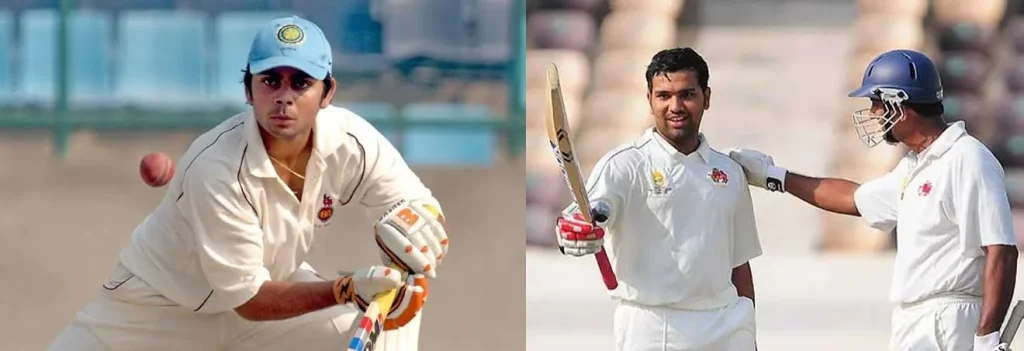
Many players who later represented India in Test cricket first gained valuable experience in domestic first-class matches.
This is one reason the tournament is sometimes described as a pathway to the national team.
Playing Ranji Trophy cricket can teach players how to deal with pressure, difficult pitches, strong opponents and long matches.
These experiences can become extremely valuable if a player later reaches international cricket.
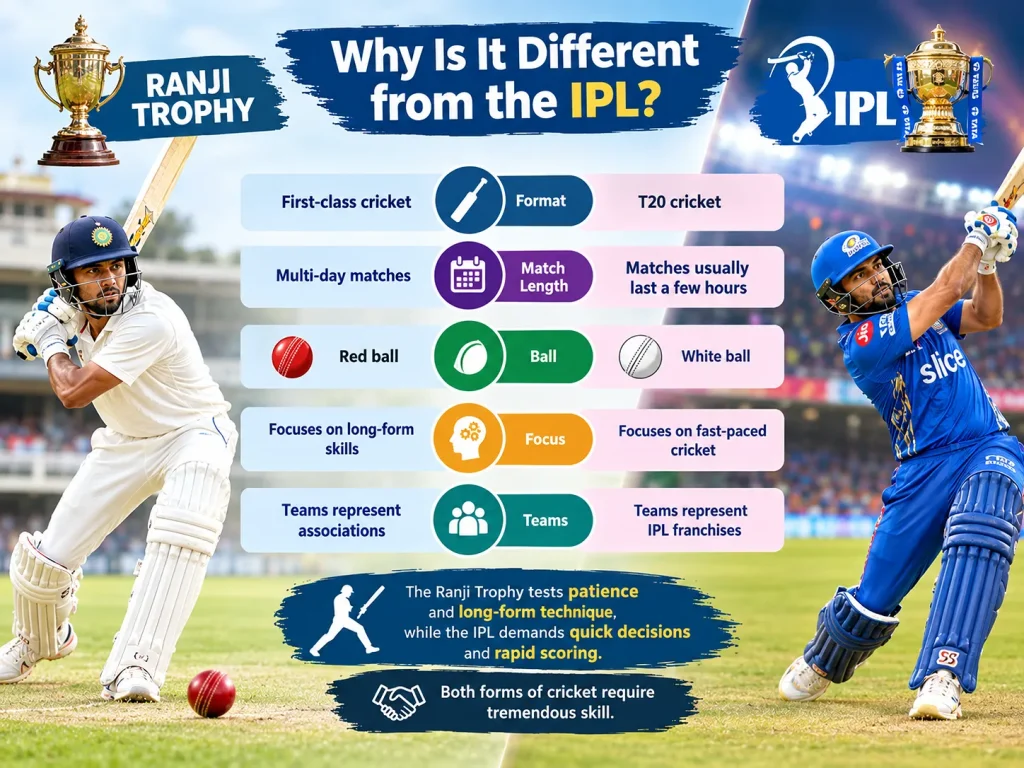
Why Is It Different from the IPL?
The Ranji Trophy and the Indian Premier League are both important, but they are very different competitions.
| Ranji Trophy | Indian Premier League |
| First-class cricket | T20 cricket |
| Multi-day matches | Matches usually last a few hours |
| Red ball | White ball |
| Focuses on long-form skills | Focuses on fast-paced cricket |
| Teams represent associations | Teams represent IPL franchises |
The Ranji Trophy tests patience and long-form technique, while T20 cricket demands quick decisions and rapid scoring.
Both forms of cricket require tremendous skill.
Why Should Young Cricket Fans Watch Ranji Trophy?
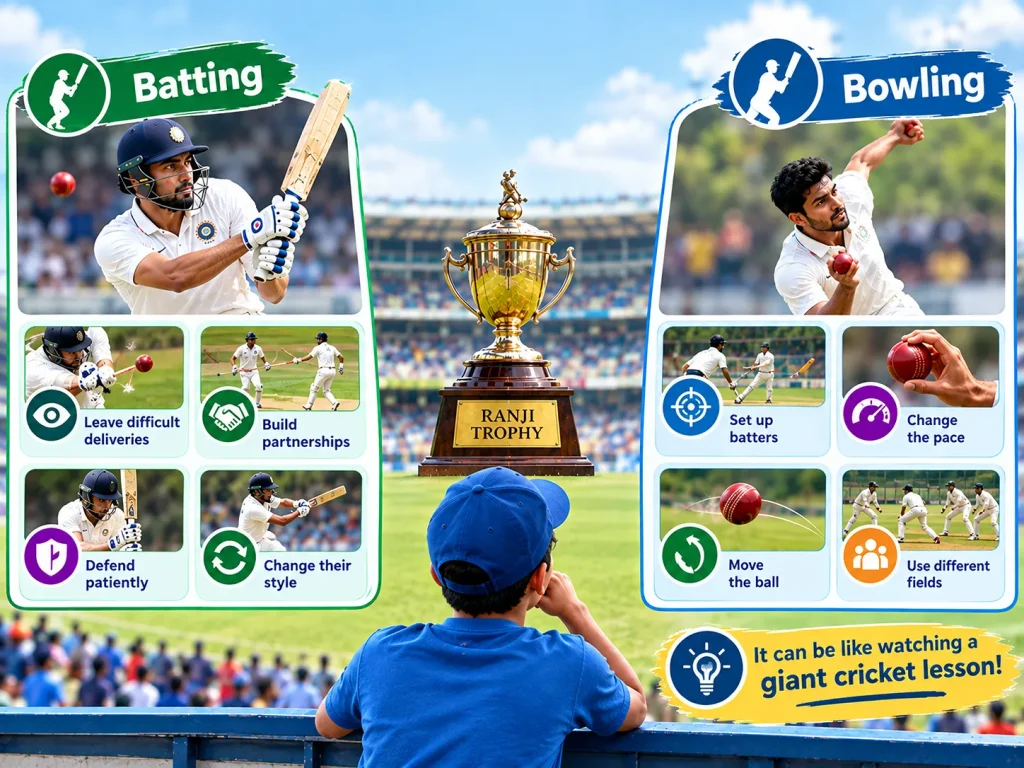
If you are learning cricket, watching first-class cricket can teach you things that are sometimes difficult to notice in shorter matches.
You can observe how batters:
- Leave difficult deliveries
- Build partnerships
- Defend patiently
- Change their batting style
You can also see how bowlers:
- Set up batters
- Change their pace
- Move the ball
- Use different fields
It can be like watching a giant cricket lesson!
Fun Facts About the Ranji Trophy
Started: The tournament began in the 1934–35 season.
Country: It is India’s major domestic first-class cricket competition.
Name: It is named after the legendary cricketer Ranjitsinhji.
Ball: Traditional red-ball cricket is used.
Long matches: Games can last up to four days.
Talent pathway: The competition has helped many players develop towards higher levels of cricket.
Knockouts: The best teams progress to the quarter-finals, semi-finals and final.
The Future of the Ranji Trophy
Indian cricket continues to change, but first-class cricket remains an important part of the sport.
The BCCI’s 2026–27 domestic structure continues to give the Ranji Trophy a major place in India’s cricket calendar, with 32 Elite teams and six Plate teams.
New generations of cricketers will continue to use the competition to develop their skills and dream of representing India.
Perhaps the next great Indian Test cricketer is already playing in a Ranji Trophy match!
Conclusion
The Ranji Trophy is much more than a cricket tournament. It is an important part of India’s cricketing history and a place where talented players can develop their skills.
Unlike fast-paced T20 cricket, Ranji Trophy matches reward patience, concentration, technique and teamwork.
For young cricket fans, it is a wonderful competition to watch because it showcases the game’s traditional side and teaches us that becoming a great cricketer takes time, practice and determination.
So, the next time you hear about the Ranji Trophy, remember: behind every exciting international cricket match, there is a long journey — and for many Indian cricketers, that journey begins with domestic cricket.
For more interesting articles, please visit www.kidzherald.com