
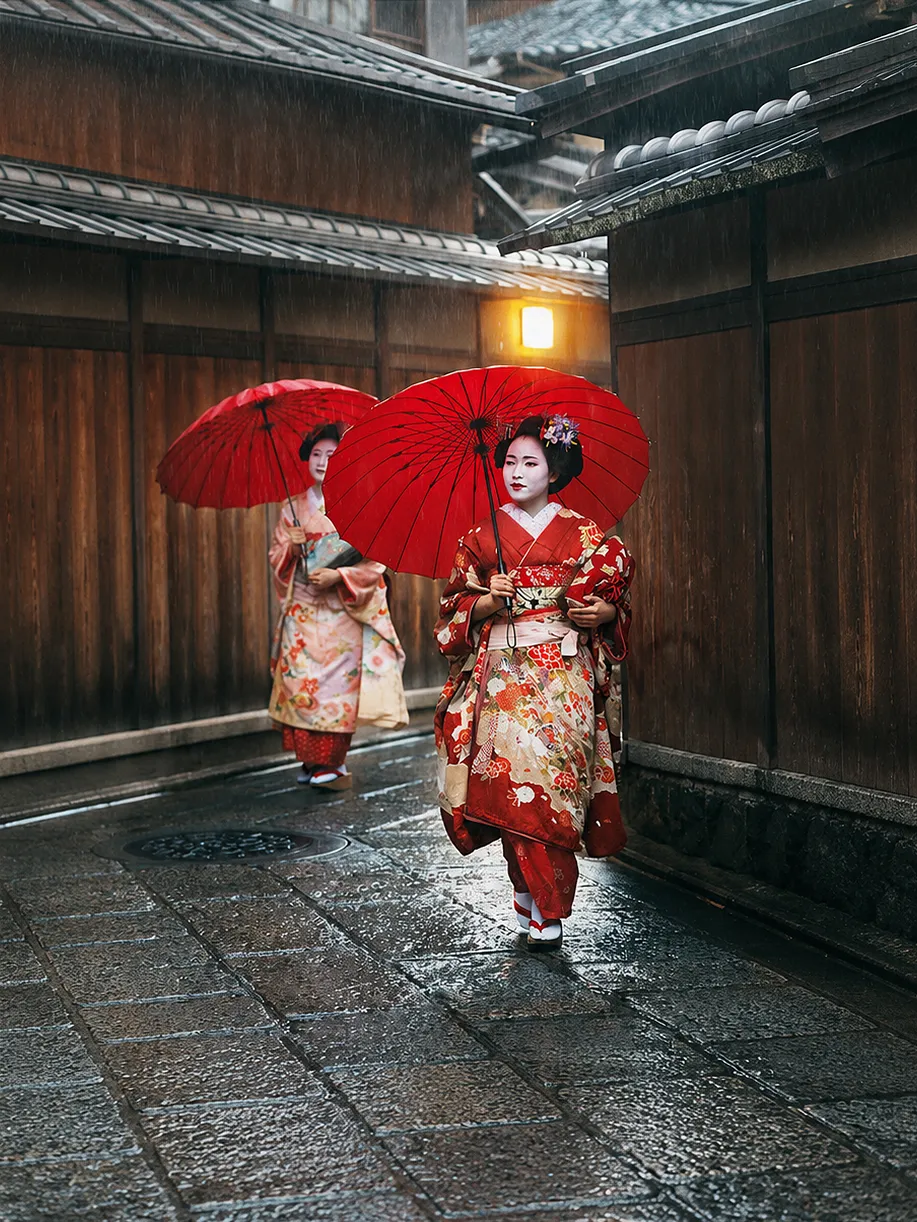
Have you ever visited a new place and noticed that people do things differently? Every country has its own customs, traditions, and ways of behaving. In Japan, good manners and respect for others are very important parts of everyday life.
Japanese customs have developed over hundreds of years and help people live together peacefully. While not everyone in Japan behaves the same way, many traditions are widely followed and appreciated.
Let’s explore some fascinating Japanese customs and behaviours that make Japan unique!
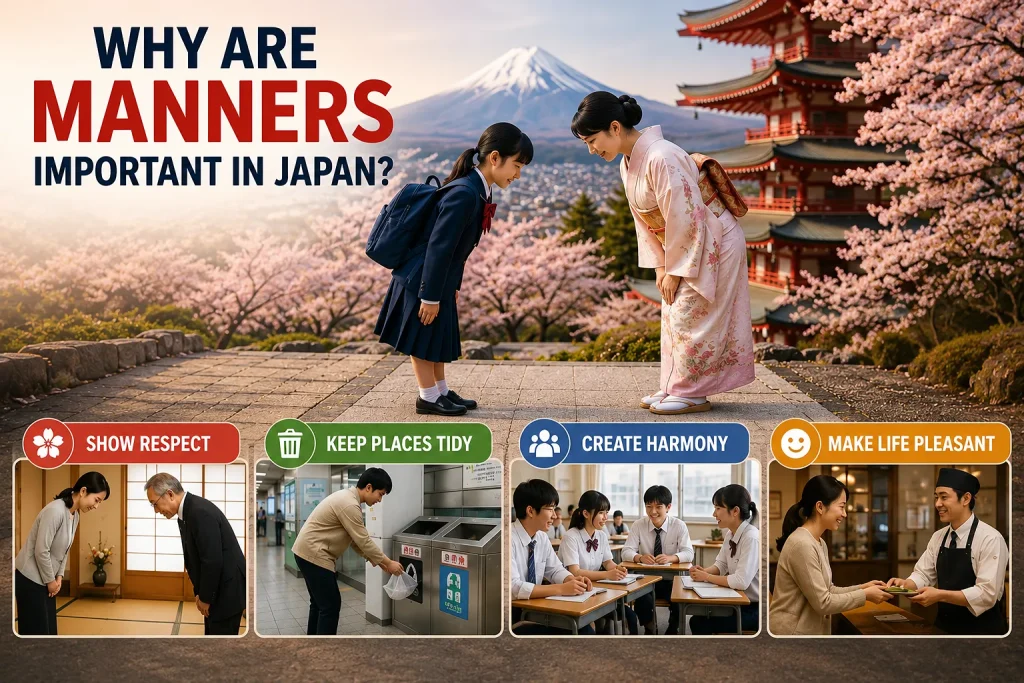
Why Are Manners Important in Japan?
In Japan, people often think about how their actions affect others. Respect, politeness, and consideration are highly valued.
Many Japanese customs are designed to:
- Show respect for other people
- Keep public places tidy
- Create harmony in groups
- Make daily life pleasant for everyone
This focus on respect can be seen almost everywhere, from schools and homes to trains and restaurants.
Bowing Instead of Handshakes
One of Japan’s most famous customs is bowing.
Instead of shaking hands, people often bow when greeting each other. A bow can mean:
- Hello
- Thank you
- Goodbye
- Sorry
- Nice to meet you
The depth of the bow often depends on the situation. A small bow is common for everyday greetings, while a deeper bow may show greater respect or apology.
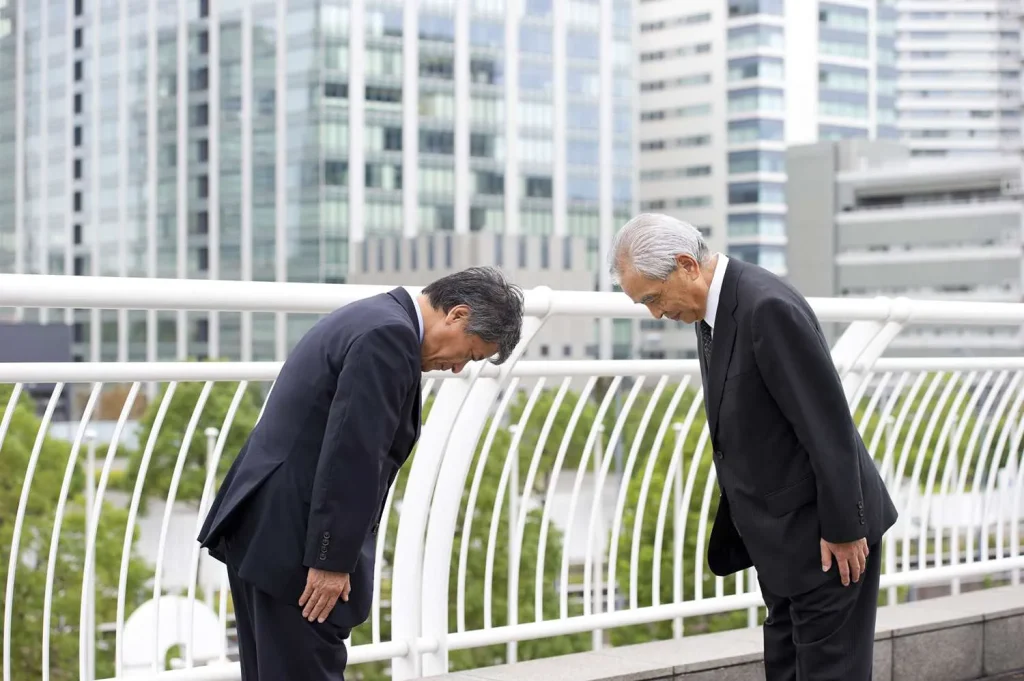
Although handshakes are sometimes used, especially with international visitors, bowing remains an important part of Japanese culture.
Taking Off Shoes Indoors
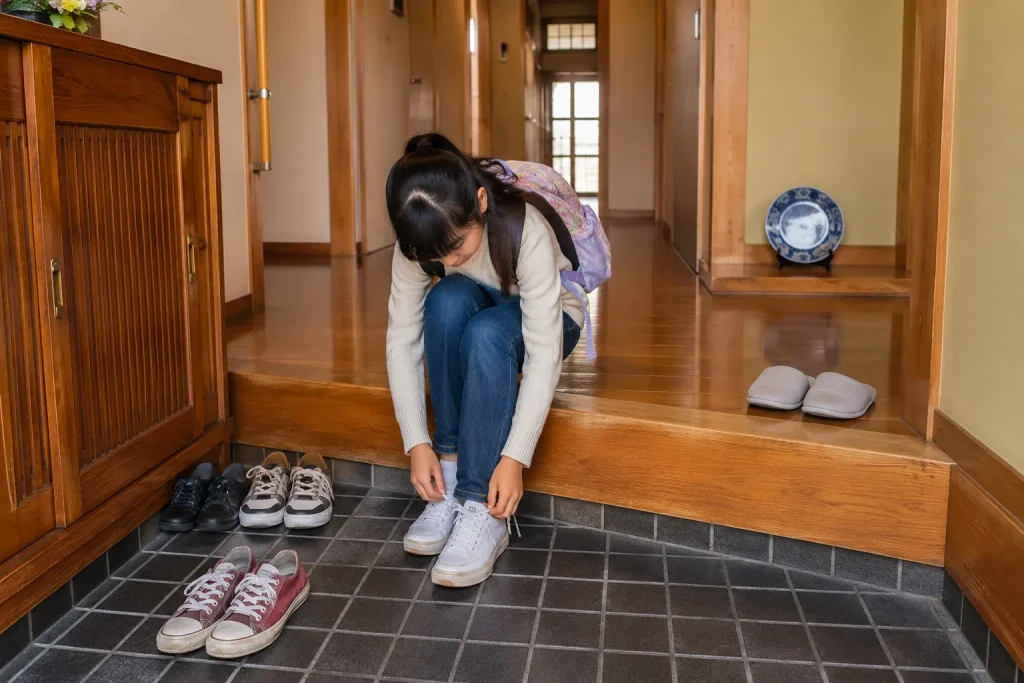
If you visit a Japanese home, one of the first things you may notice is that people remove their shoes before entering.
This custom helps keep homes clean.
Near the entrance, called the genkan, visitors usually take off their outdoor shoes and put on indoor slippers.
Many schools, traditional inns, and some restaurants also follow this practice.
For Japanese families, this is simply a normal part of daily life.
Being Quiet in Public
Have you ever ridden on a busy train?
In Japan, trains can be crowded, especially in large cities such as Tokyo and Osaka.
Even when trains are full, passengers are often surprisingly quiet.
People generally avoid:
- Speaking loudly
- Playing music without headphones
- Disturbing other passengers
This behaviour shows consideration for everyone sharing the same space.
Respecting Queues
Japanese people are well known for forming neat queues.
Whether waiting for a train, buying food, or entering an attraction, people usually stand patiently in line.
This helps things run smoothly and fairly.
Visitors are often impressed by how well-organised queues are in Japan.

Clean Streets and Public Spaces
Many visitors notice how clean Japanese streets are.
Interestingly, there are often fewer public rubbish bins than in some other countries.
Instead, many people carry their rubbish home and dispose of it properly later.
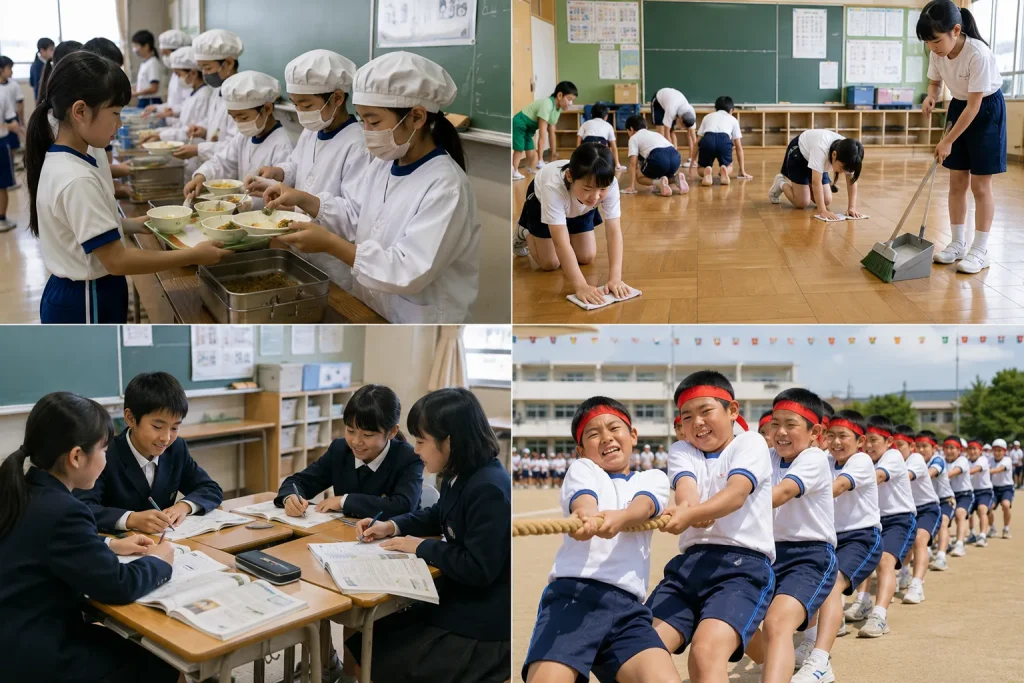
Children also learn about cleanliness at school. In many Japanese schools, students help clean classrooms and hallways together.
This teaches responsibility and respect for shared spaces.
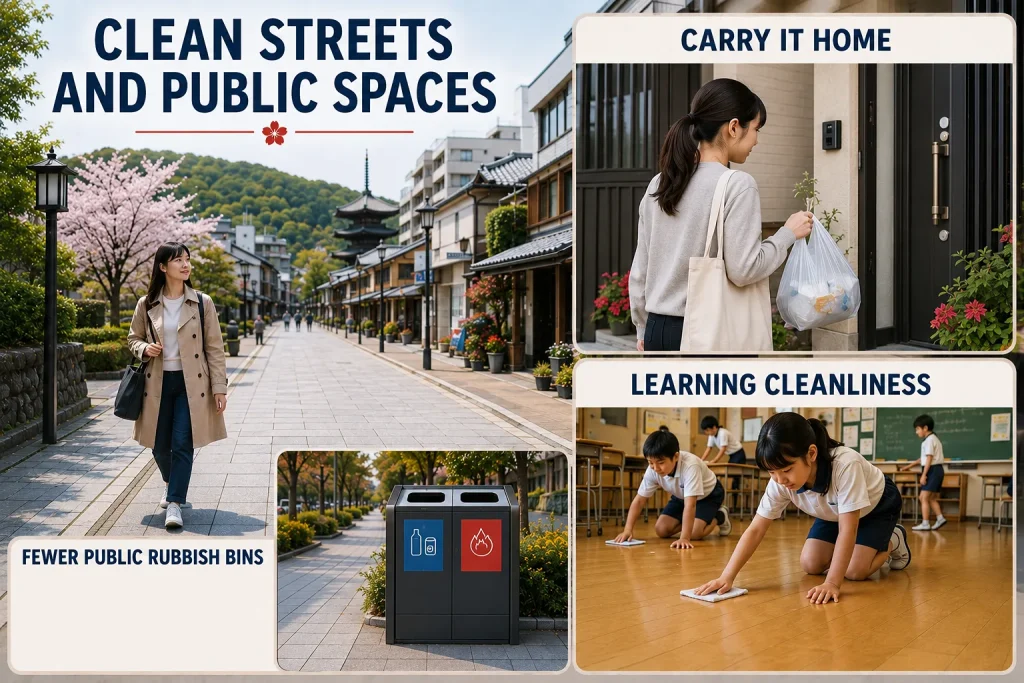
Table Manners in Japan
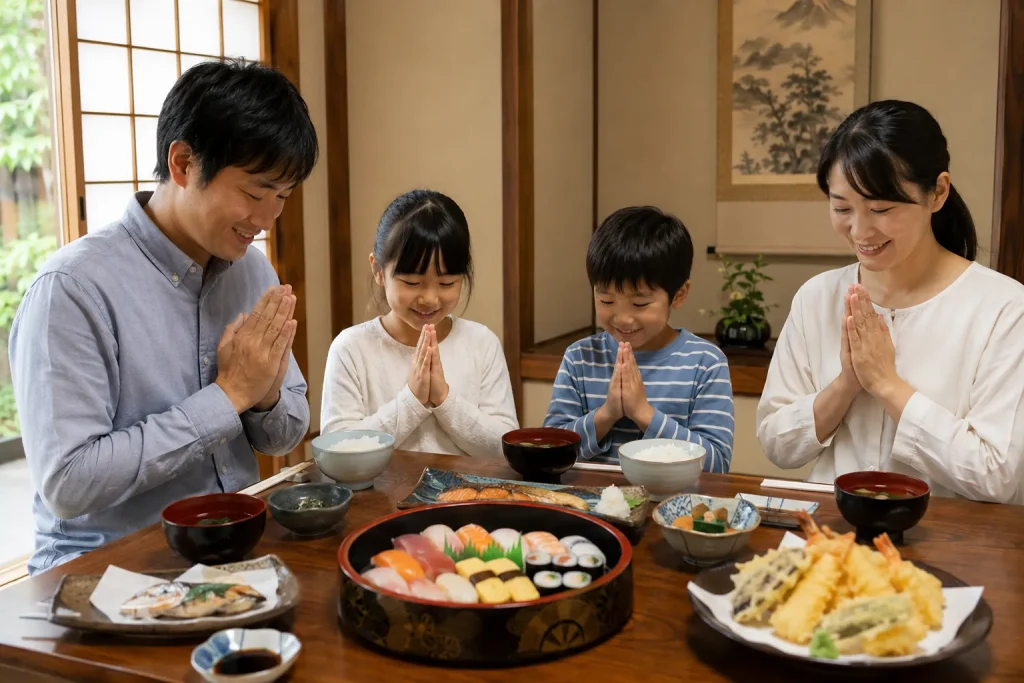
Japanese dining customs can be quite different from those in other countries.
Before eating, people often say “Itadakimasu”, which expresses gratitude for the meal.
After eating, they may say “Gochisousama deshita”, which means ” Thank you for the food”.
Some dining customs include:
- Using chopsticks carefully
- Not sticking chopsticks upright into rice
- Sharing food politely
- Showing appreciation for meals
Traditional Japanese foods such as Sushi, Ramen, and Tempura are enjoyed throughout the country.
Gift Giving Is Important
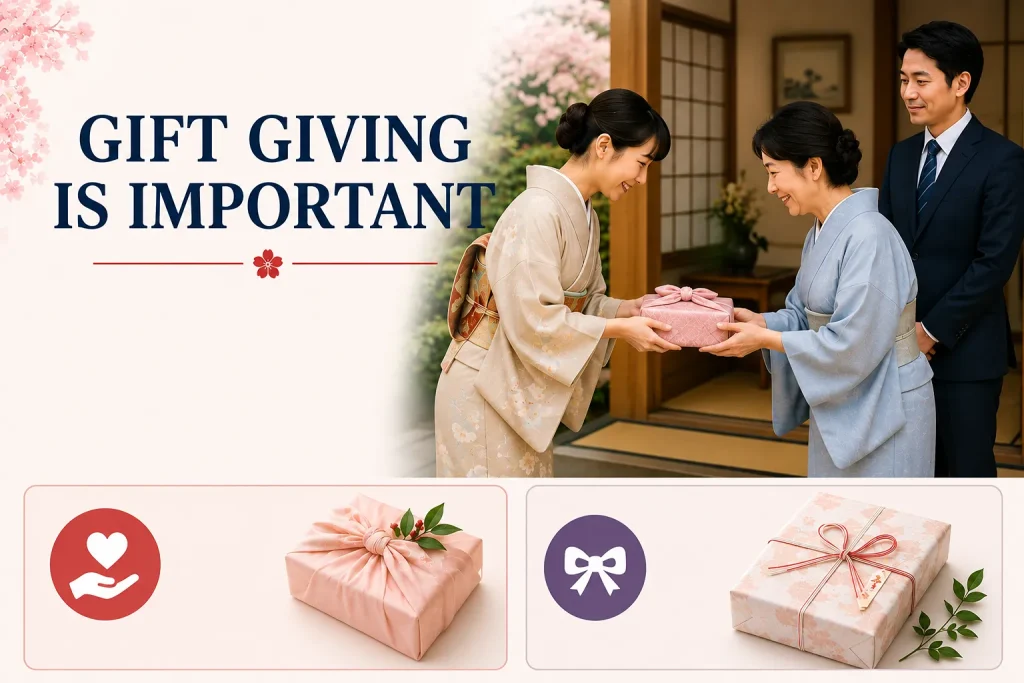
Gift-giving plays an important role in Japanese culture.
People often bring small gifts when:
- Visiting someone’s home
- Returning from a trip
- Celebrating special occasions
The thought behind the gift is often considered more important than its cost.
Beautiful wrapping is also highly valued, as presentation shows care and respect.
Respect for Nature and Seasons
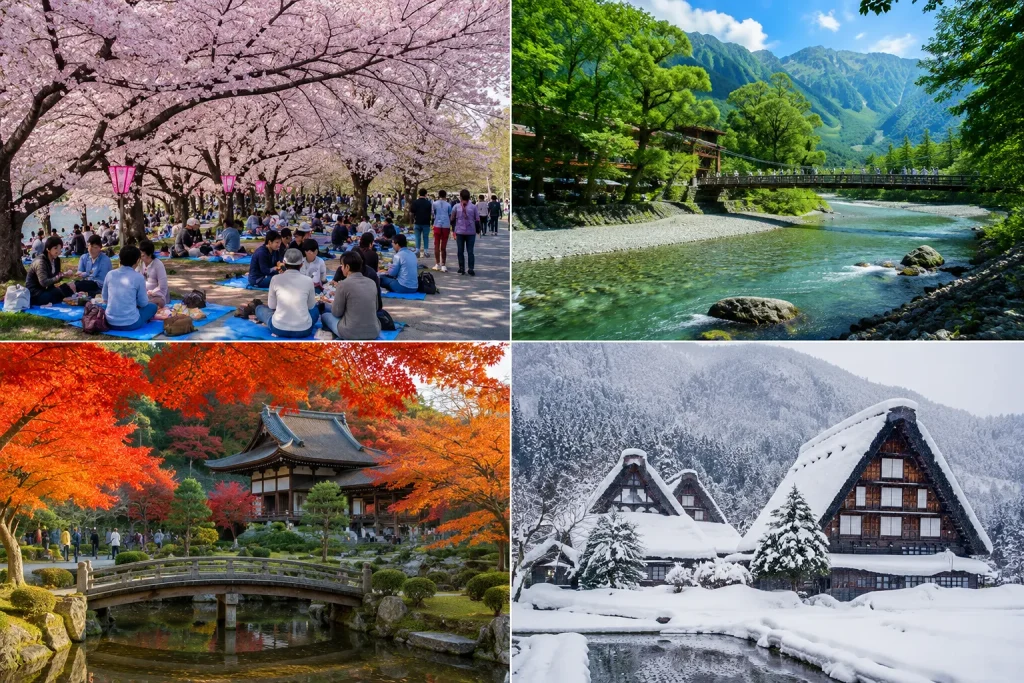
Japan has a strong appreciation for nature and the changing seasons.
Many people enjoy viewing:
- Cherry blossoms in spring
- Green forests in summer
- Colourful leaves in autumn
- Snow-covered landscapes in winter
One famous tradition is Hanami, when people gather beneath blooming cherry blossom trees to admire their beauty.
These seasonal celebrations help people feel connected to nature.
Showing Respect to Elders
Respect for older people is an important value in Japan.
Children are often taught to:
- Speak politely to elders
- Listen carefully
- Offer assistance when needed
- Show appreciation for experience and wisdom
This respect helps strengthen family and community relationships.
School Life and Teamwork
Japanese schools often encourage teamwork and responsibility.
Students may:
- Serve lunch to classmates
- Clean classrooms
- Participate in group activities
- Work together on school events
These activities help children learn cooperation and consideration for others.
Many schools place strong importance on helping the whole group succeed, not just on individual achievement.
Festivals and Traditions
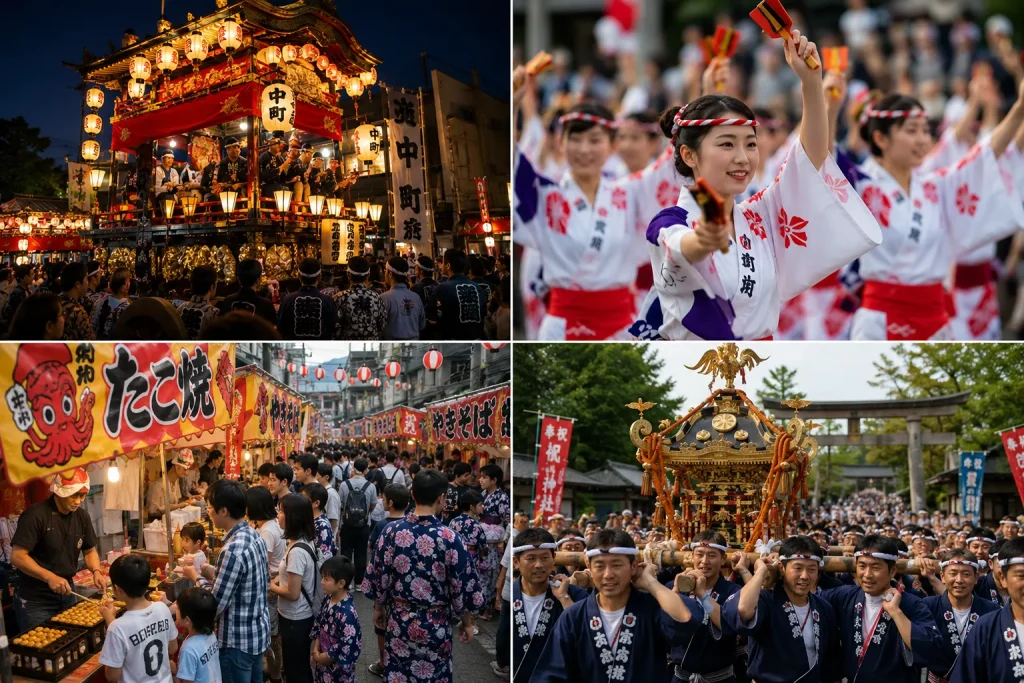
Japan is famous for its colourful festivals, known as matsuri.
These celebrations often include:
- Traditional clothing
- Music and dancing
- Decorative floats
- Local foods
- Community gatherings
Festivals bring people together and help preserve cultural traditions passed down through generations.
Fun Facts About Japanese Customs
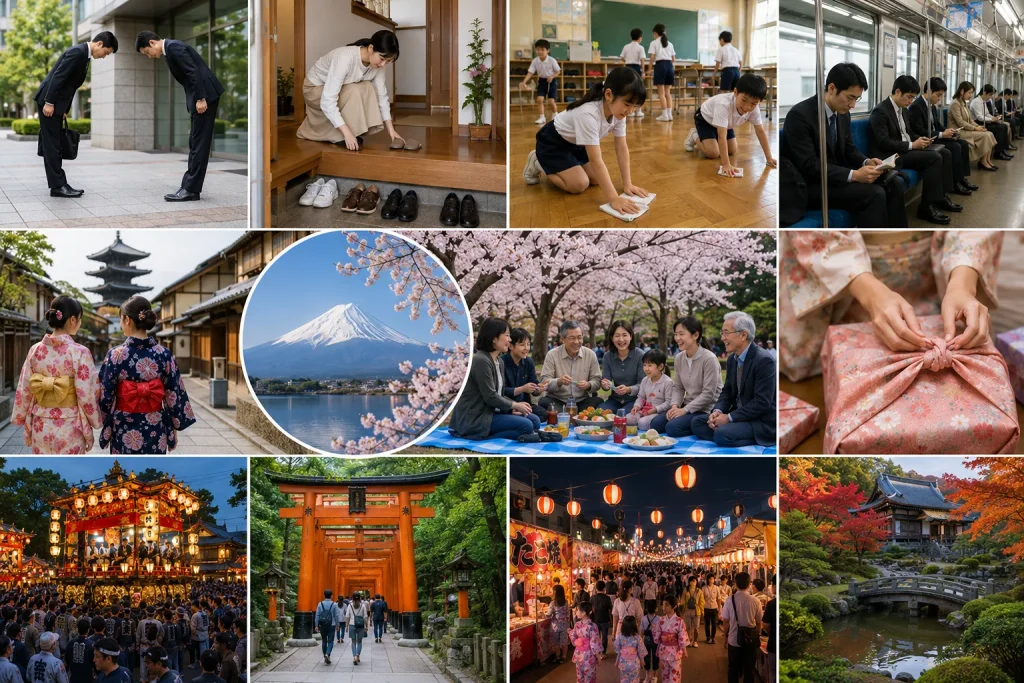
- Bowing is one of the most common forms of greeting.
- Many people remove their shoes before entering homes.
- Schoolchildren often help clean their classrooms.
- Trains are usually very quiet and orderly.
- Gift wrapping is often considered an art.
- Cherry blossom viewing is a beloved national tradition.
Conclusion
Japanese customs and behaviour are built around respect, politeness, cleanliness, and consideration for others. From bowing and removing shoes to keeping public spaces tidy and enjoying seasonal traditions, these customs help create a harmonious society.
Learning about different cultures helps us understand how people around the world live and interact. Japan’s customs remind us that small acts of kindness, respect, and responsibility can make everyday life better for everyone.
Whether you dream of visiting Japan one day or enjoy learning about other cultures, Japanese customs offer a fascinating glimpse into a society that values harmony, community, and respect.
For more interesting articles, please visit www.kidzherald.com