
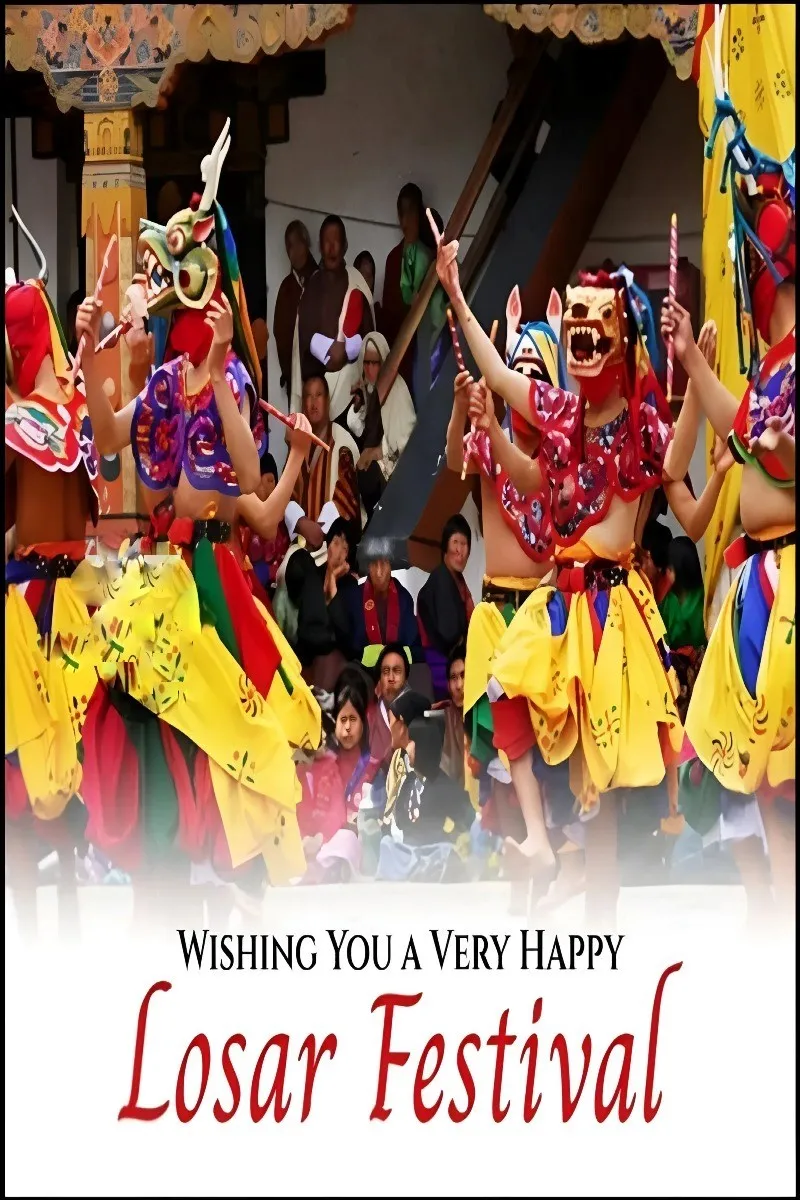
Losar is the most important and joyful festival celebrated by Tibetan Buddhists around the world. It marks the Tibetan New Year and is a wonderful mixture of spiritual traditions, family time, tasty food, music, dancing and colourful celebrations.
What Is Losar?
The word Losar comes from the Tibetan words “Lo,” meaning year, and “Sar,” meaning new, so Losar literally means New Year. The festival is based on the Tibetan lunar calendar, so it usually falls in February or March each year. For example, in 2025, Losar started on 28 February and was celebrated mainly for the first three days, though the whole festival may last up to about 15 days in many places.
Losar is celebrated in Tibet, Bhutan, Nepal, India (especially in regions such as Ladakh, Sikkim, and Arunachal Pradesh), and within Tibetan communities around the world.
Preparing for Losar — Cleaning and Renewal
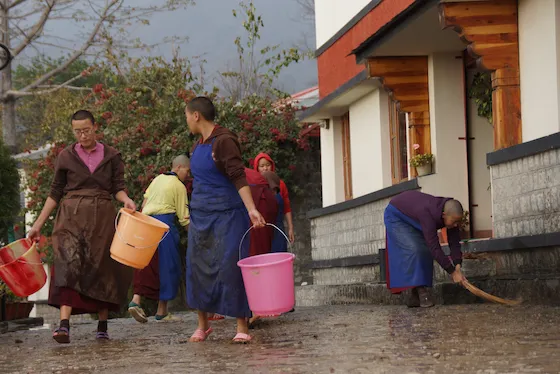
Long before Losar begins, families start preparing their homes. They clean the house thoroughly to sweep away bad luck and old energies from the previous year, so that the new year can begin with fresh blessings and positivity.
People often decorate their homes with flowers, colourful items, and auspicious symbols. Some families draw special powder designs or hang decorations on walls to welcome good fortune.
Traditional Foods and Special Dishes
Food is a big part of Losar celebrations:
- Guthuk is a special noodle soup eaten on New Year’s Eve. It is made from nine ingredients and has fun dough balls with surprises inside — each item in the dough is believed to represent a personality trait of the person who finds it.

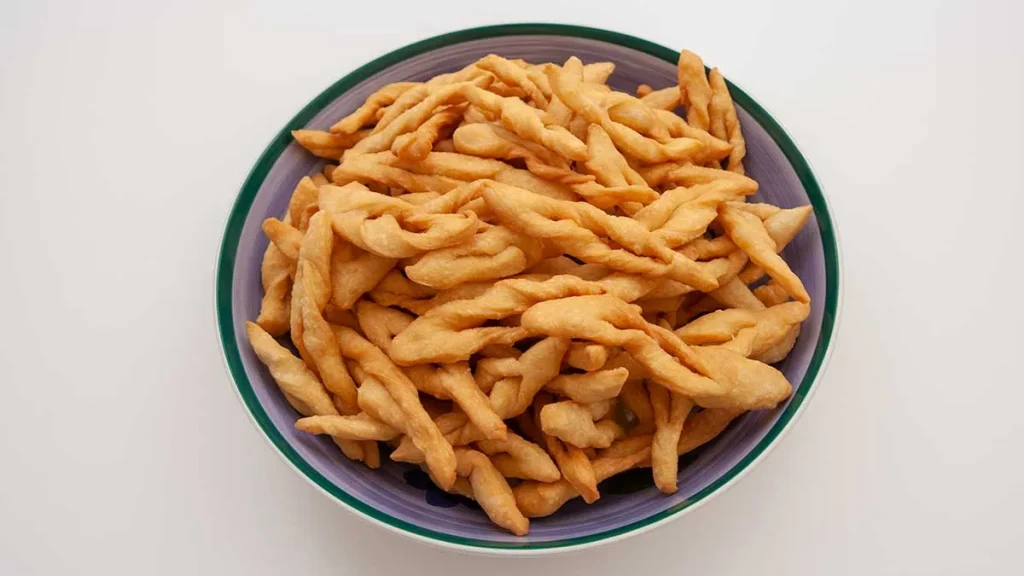
- Khapse are deep-fried pastries shaped into twists or knots, shared with friends and family as part of the festival’s treats.
- Families also prepare and enjoy other local dishes such as tsampa (roasted barley flour), butter tea, and hearty meals that bring everyone together.
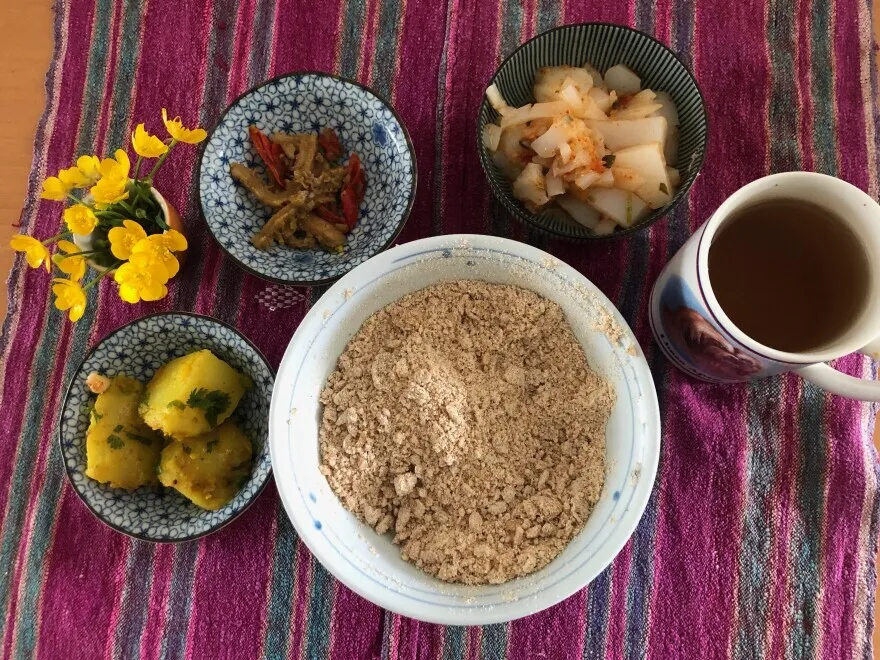
Sharing and eating these foods together is a way of celebrating abundance, family, and culture.
Spiritual and Community Traditions
Losar is not only about food and joy — it also has deep spiritual meaning:
- People visit monasteries and offer prayers for peace, good health, and prosperity in the coming year.
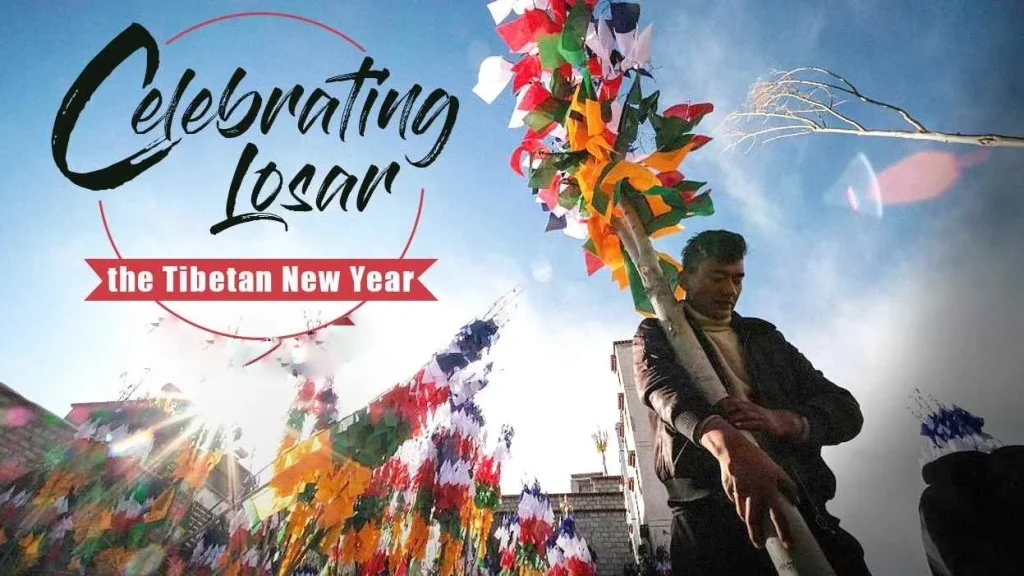
- Prayer flags are commonly hung outside homes and on roofs so that the wind can carry blessings and goodwill to all.
- There are also traditional dances and celebrations, with monks performing ceremonies to bless the community.
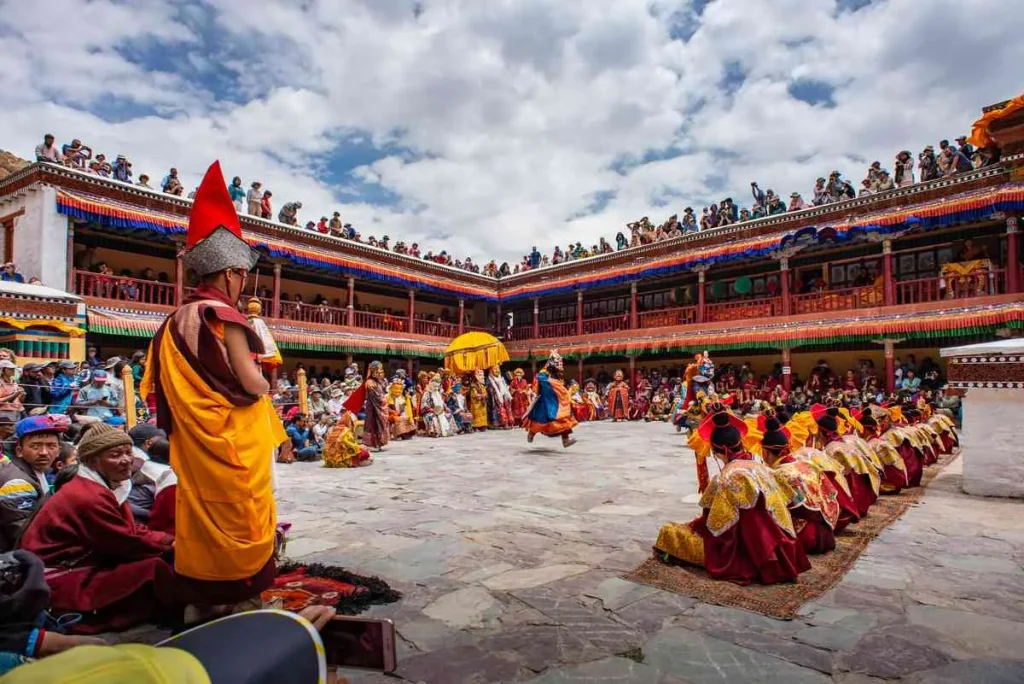
In many regions, the three main days of the festival are especially important:
1. Losar Eve — cleaning, special food, and family gatherings.
2. Losar Day — the beginning of the new year with prayers and celebrations.
3. Second and Third Days — visiting relatives, friends, and joining community celebrations.
Family and Togetherness
One of the most beautiful things about Losar is how it brings families and communities together. During the celebrations:
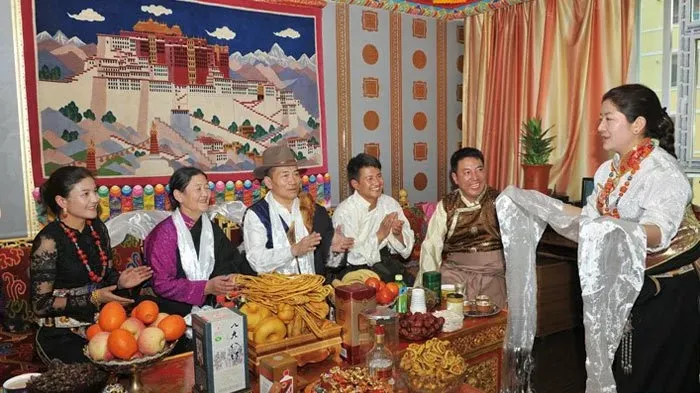
- People visit their relatives and neighbours.
- Greetings like “Tashi Delek” are exchanged, meaning “may good fortune come your way”.
- Gifts and best wishes are shared among everyone.
Children especially enjoy the festival because they get to dress in bright traditional clothes, eat special foods, take part in fun customs, and watch colourful cultural dances.
A Festival of Hope and Renewal
Losar is much more than a party — it’s a time of hope, renewal, and thoughtful reflection. As the Tibetan New Year begins:
- People say farewell to the challenges of the past year.
- They welcome peace, happiness and good health.
- They show respect to their traditions and ancestors through prayers and rituals.
This combination of fun, spirituality and togetherness makes Losar a very special festival in Tibetan culture, one that teaches the importance of family, community and gratitude as the year begins anew.
Special Notes for Kids
- Losar is like a New Year party, but with ancient traditions and spiritual meaning.
- It’s similar to other lunar new year festivals in Asia, but with unique foods and customs only found in Tibetan culture.
- Children often participate in cleaning, prayers, visiting monks, eating special foods and sometimes even joining dances.
Losar helps us understand how different cultures celebrate time, seasons and family — and how, even when the year changes, people everywhere want to share joy, hope and kindness.
For more interesting articles, please visit www.kidzherald.com


