
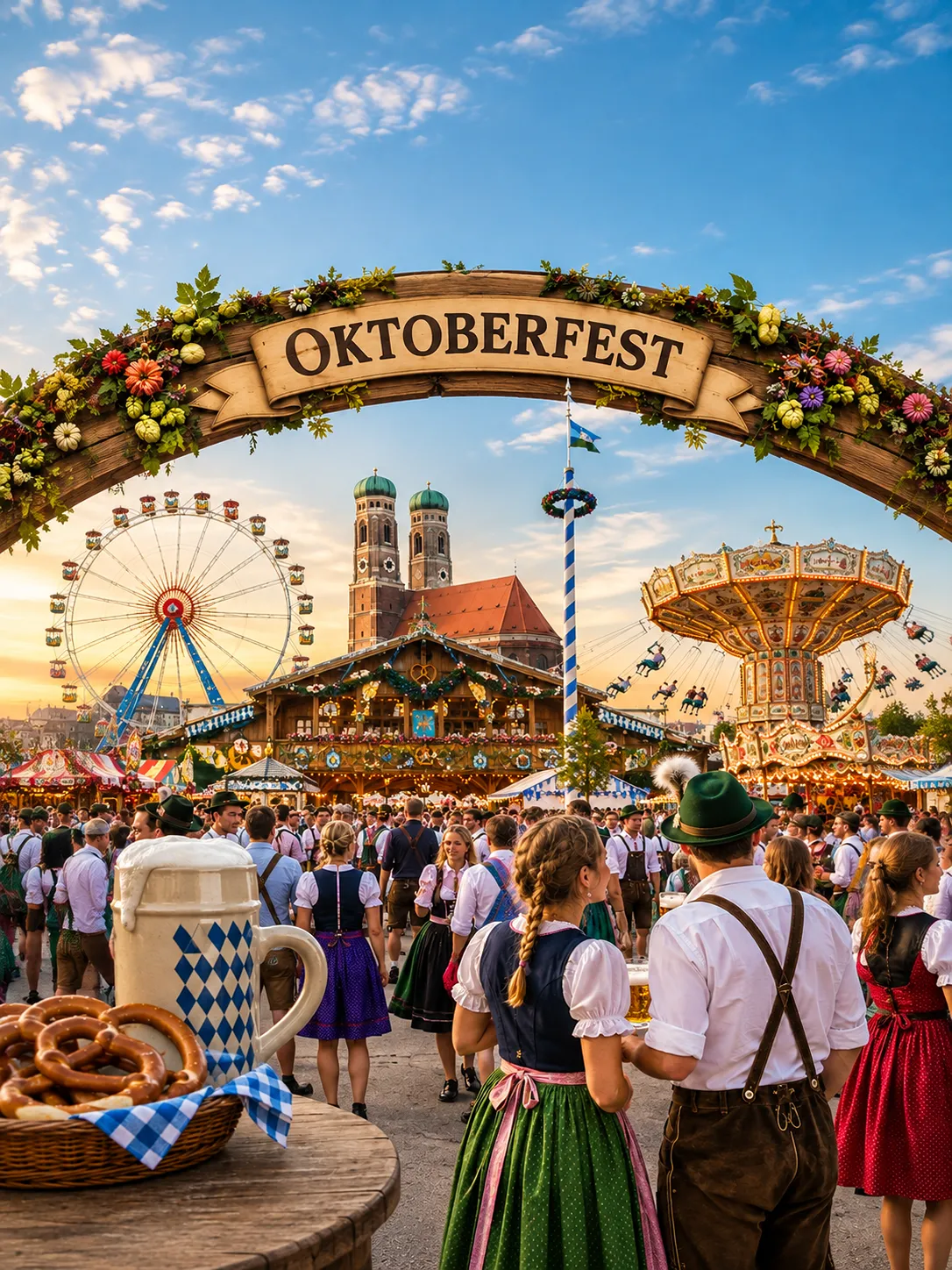
Imagine walking into a huge festival filled with colourful decorations, traditional music, exciting fairground rides, delicious food and thousands of cheerful visitors. Welcome to Oktoberfest, one of the world’s most famous festivals!
Oktoberfest takes place in Munich, Germany, and has a history stretching back more than 200 years. Although its name contains the word “October”, the festival actually begins in September and finishes in early October. In 2026, Oktoberfest will take place from 19 September to 4 October.
But how did this enormous celebration begin? And why is it still so popular today?
Let’s discover the fascinating story of Oktoberfest.
How Did Oktoberfest Begin?
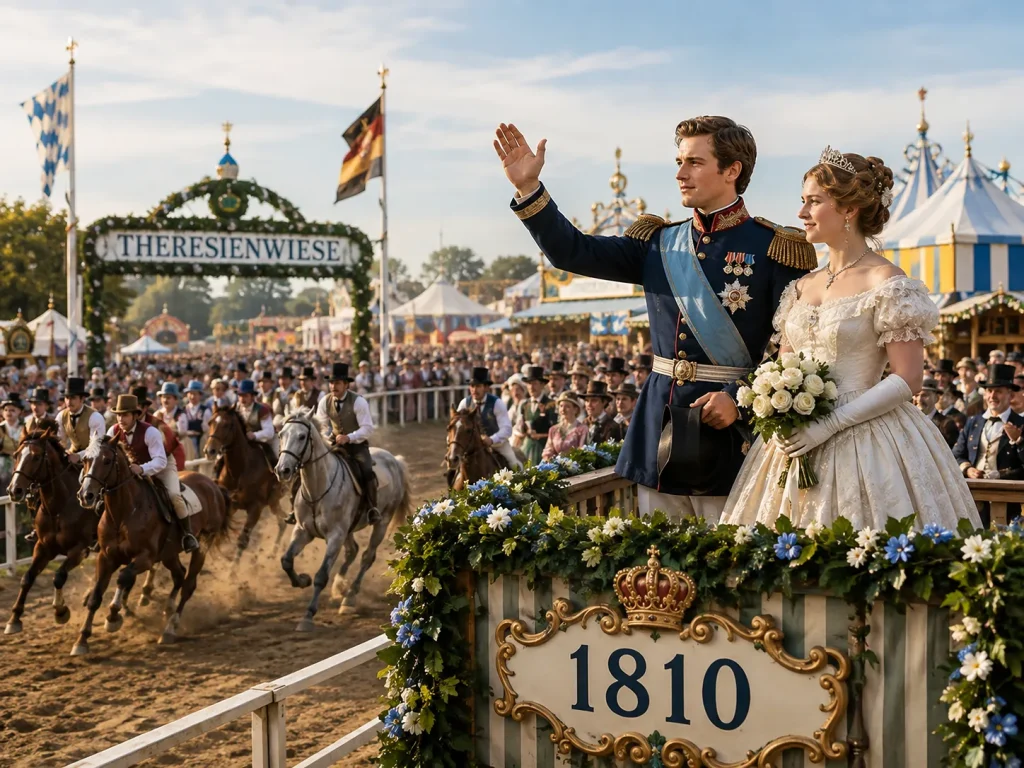
The very first Oktoberfest was held in 1810.
It was not originally planned as a huge festival with rides, food stalls and enormous tents. Instead, it began as a celebration of a royal wedding.
Crown Prince Ludwig of Bavaria married Princess Therese of Saxe-Hildburghausen on 12 October 1810. To celebrate the wedding, a large horse race was organised outside Munich.
The event was so popular that people decided to hold another celebration the following year.
The meadow where the event took place was named Theresienwiese, meaning “Therese’s Meadow”, after the princess. Today, this is still the home of Oktoberfest.
From Horse Race to Giant Festival
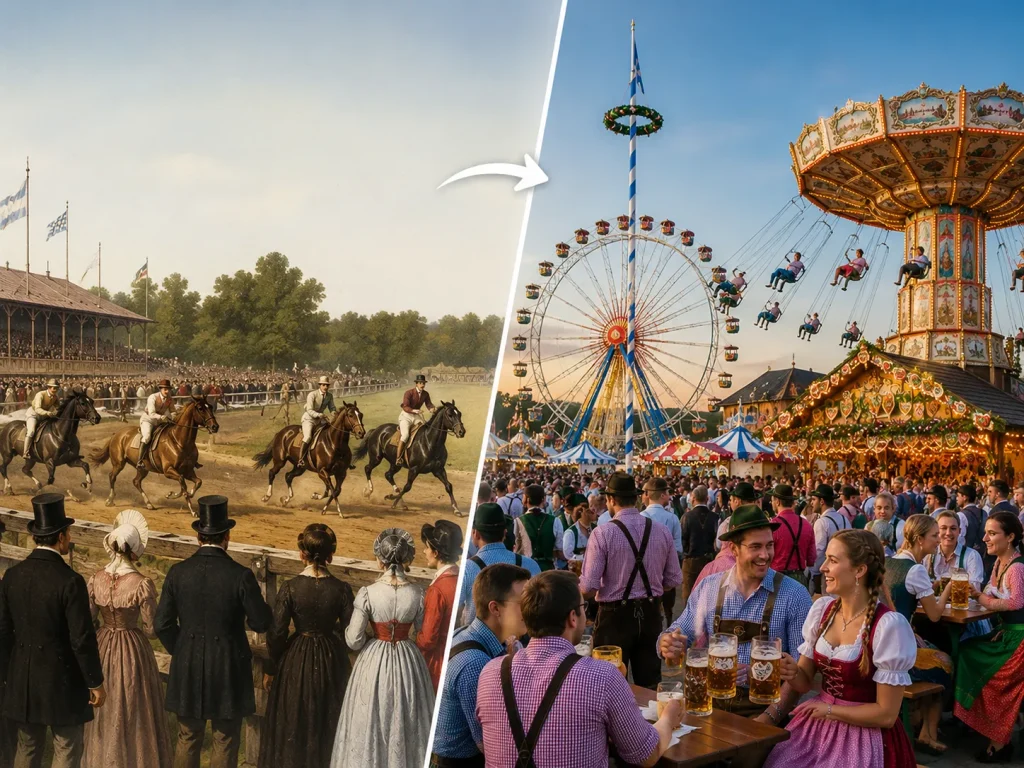
The first Oktoberfest looked very different from the one we know today.
There were no enormous festival tents or giant roller coasters. The main attraction was the horse race.
Over the years, however, more activities were added.
In 1818, the festival gained its first carousel and swings. Other entertainment, food stalls and attractions gradually appeared. By the late 1800s, Oktoberfest was becoming much more like the enormous fairground we see today.
The festival continued to grow, attracting more visitors and becoming an important part of Munich’s culture.
Why Is It Called Oktoberfest?
This is one of the most interesting things about the festival.
If you look at a calendar, Oktoberfest mostly takes place in September, so why is it called Oktoberfest?
The answer goes back to its history.
The original celebration took place in October 1810. Over the years, organisers moved the festival’s start earlier in September because the weather is generally more pleasant.
The name, however, stayed the same.
So, Oktoberfest is still called Oktoberfest even though most of it happens before October!
What Is the Theresienwiese?
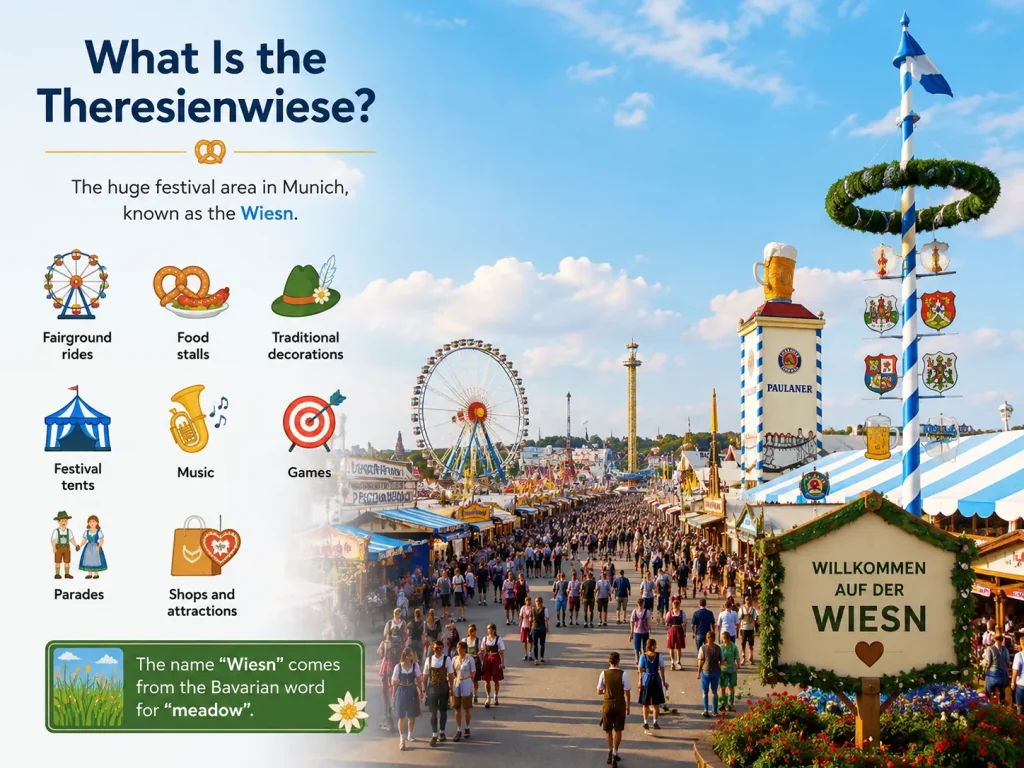
The huge festival area is called Theresienwiese, often shortened to the Wiesn.
It covers a large area in the heart of Munich.
During Oktoberfest, this normally open space is transformed into a giant festival ground filled with:
- Fairground rides
- Food stalls
- Traditional decorations
- Festival tents
- Music
- Games
- Parades
- Shops and attractions
The name “Wiesn” comes from the Bavarian word for “meadow”.
Traditional Bavarian Clothing
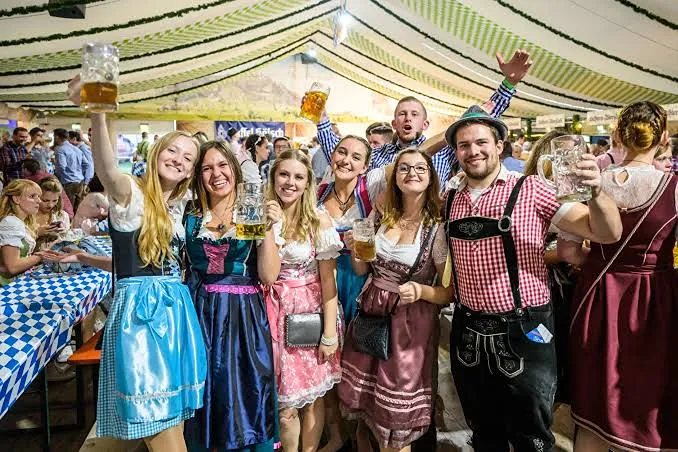
One of the most recognisable parts of Oktoberfest is traditional Bavarian clothing.
You may see people wearing lederhosen, which are traditional leather trousers, and dirndls, traditional dresses.
These clothes are connected with Bavarian culture and have become strongly associated with Oktoberfest.
However, visitors do not have to wear traditional clothing to enjoy the festival. People from many different countries visit Munich, making Oktoberfest a very international celebration.
Music and Dancing
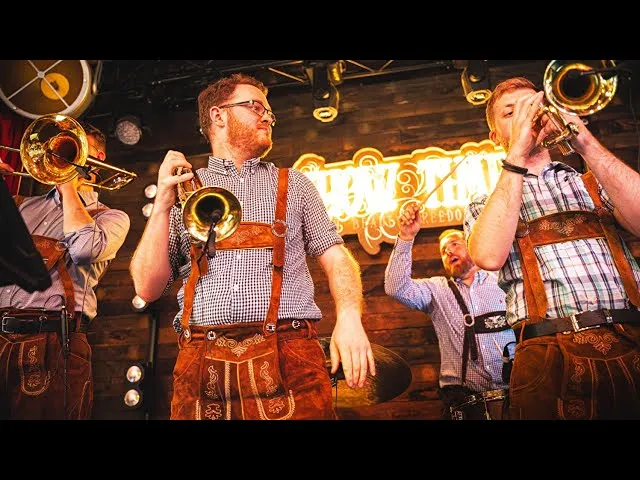
Music is another important part of Oktoberfest.
Traditional Bavarian brass bands play lively music, creating a cheerful atmosphere throughout the festival.
You may hear instruments such as:
- Trumpets
- Trombones
- Tubas
- Drums
- Clarinets
Traditional dancing is also performed at some events.
Music helps connect modern Oktoberfest with Bavaria’s cultural traditions.
Interestingly, Oktoberfest also has special rules designed to make parts of the festival more comfortable for families. Since 2005, the “quiet Wiesn” tradition has meant that festival hosts are expected to play traditional Bavarian brass music before 6 pm rather than louder party music.
Delicious Food
No great festival would be complete without food!
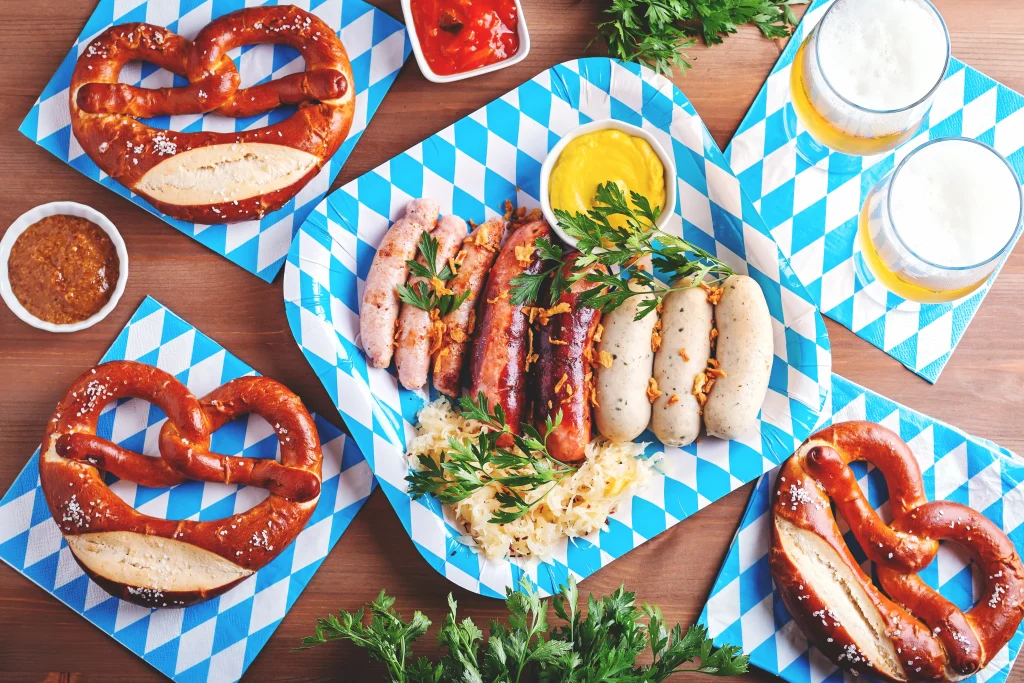
Oktoberfest offers many traditional Bavarian foods and snacks.
Visitors may find dishes such as:
- Pretzels
- Roast chicken
- Sausages
- Potato dishes
- Dumplings
- Sweet pastries
- Gingerbread hearts
The famous large pretzels are especially popular.
Food has been part of Oktoberfest for a very long time. For example, a chicken rotisserie appeared at the festival in 1881, showing how food businesses had already become an important part of the celebration by the late nineteenth century.
Exciting Fairground Rides
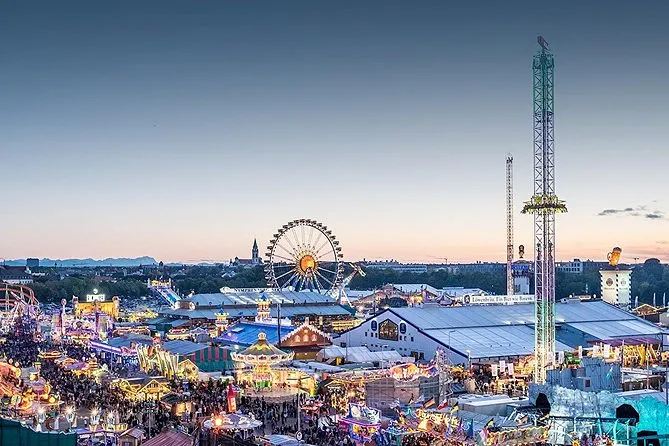
If you enjoy fairgrounds, Oktoberfest has plenty to discover.
Over the years, the festival has developed a huge collection of rides and attractions.
You can find things such as:
Ferris wheels
Roller coasters
Carousels
Games
Fun houses
Some rides are gentle and suitable for families, while others are designed for people who enjoy bigger thrills.
The fairground is one of the reasons Oktoberfest has become much more than a historical celebration.
A Special Opening Ceremony
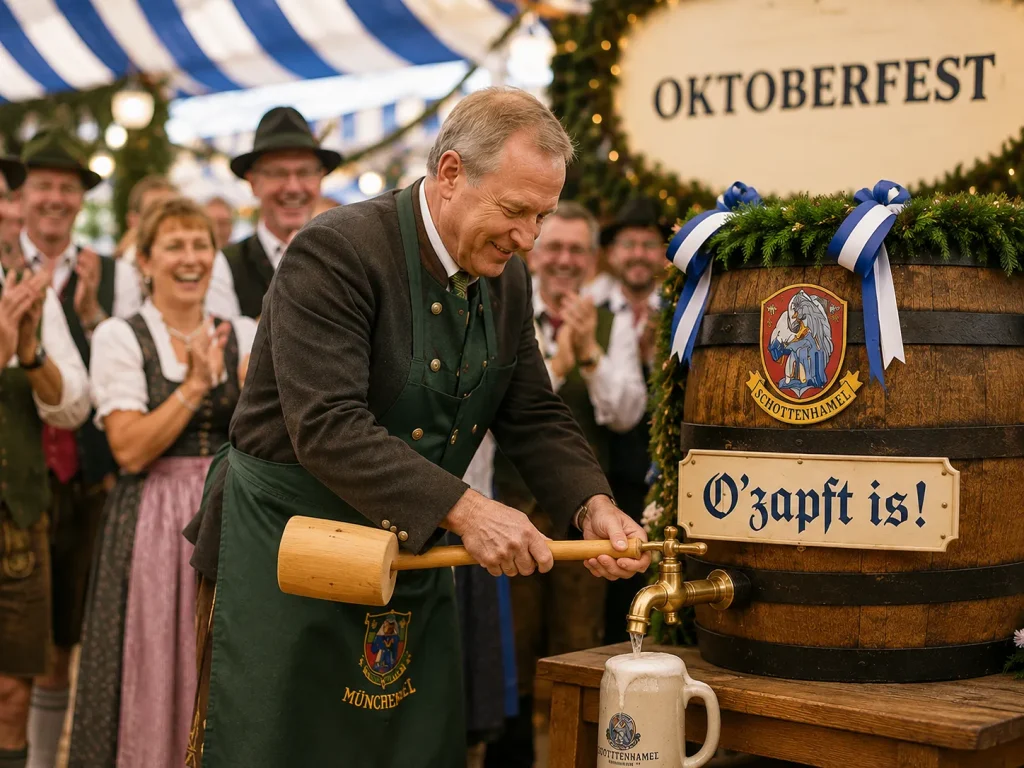
One of Oktoberfest’s famous traditions is the opening ceremony.
The Mayor of Munich officially opens the festival by tapping the first barrel. The traditional phrase “O’zapft is!” means roughly “It is tapped!”
This tradition began in 1950, when Munich Mayor Thomas Wimmer tapped the first barrel at the Schottenhamel festival hall.
The original celebration took place in October 1810. Over the years, organisers moved the festival’s start earlier in September because the weather is generally more pleasant.
What Happens at the Opening Parade?
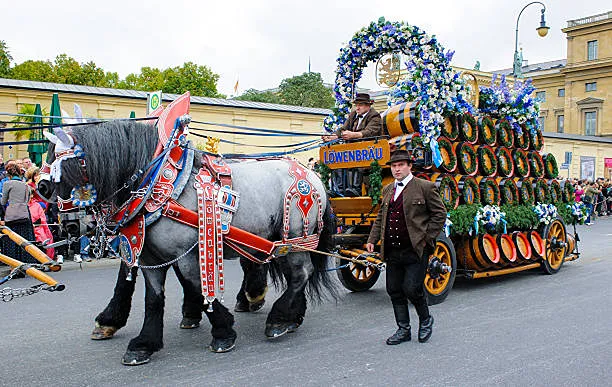
Another exciting tradition is the costume and riflemen’s parade.
Traditional groups travel through Munich wearing historical and regional costumes. There are also musicians, horses, decorated carriages and colourful displays.
It is a wonderful way to see the different traditions of Bavaria and other parts of Germany.
The parade helps show that Oktoberfest is not simply a modern fairground — it also celebrates history and culture.
Oktoberfest Around the World
Oktoberfest has become so famous that festivals inspired by it are held in many countries.
Cities around the world have created their own versions featuring Bavarian music, food, costumes and fairground entertainment.
However, the original Oktoberfest remains in Munich, where the tradition began more than two centuries ago.
Did Oktoberfest Always Happen?
Surprisingly, no.
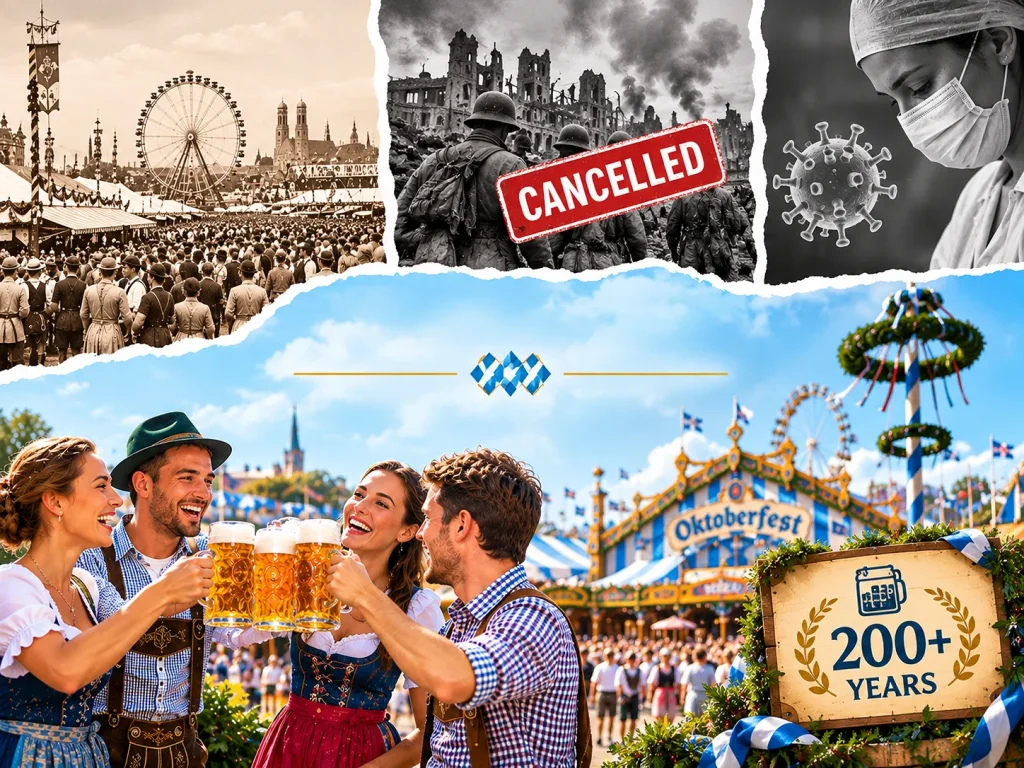
There have been years when Oktoberfest was cancelled due to wars, disease outbreaks, and other major events.
For example, the festival was not held between 1939 and 1948 because of the Second World War and its aftermath.
These interruptions make the festival’s long history even more remarkable.
For more than 200 years, Oktoberfest has evolved while keeping many of its traditions alive.
Oktoberfest Today
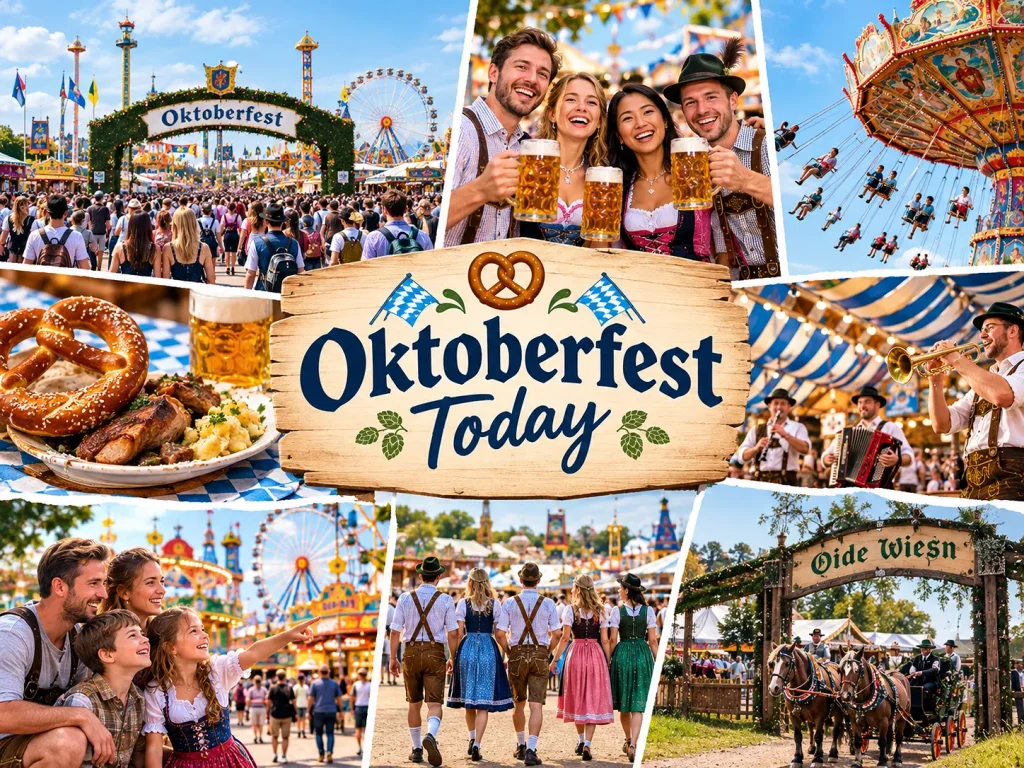
Today, Oktoberfest is considered the world’s largest folk festival, attracting millions of visitors.
It brings together people from Munich, different parts of Germany and countries around the world.
For families and young visitors, the festival offers plenty to explore, including rides, food, music, traditional costumes and historical attractions.
A special area called the Oide Wiesn also celebrates older Oktoberfest traditions and was introduced as part of the festival’s 200th anniversary celebrations in 2010.
Fun Facts About Oktoberfest
It began in 1810 as a royal wedding celebration.
The first Oktoberfest featured a horse race.
The festival takes place on Theresienwiese, or the “Therese Meadow”.
Fairground rides have been part of the festival since the early 1800s.
Traditional Bavarian music remains an important part of the celebrations.
Dirndls and lederhosen are strongly associated with Bavarian culture.
Millions of people visit Oktoberfest each year.
Despite its name, most of the festival takes place in September.
Conclusion
Oktoberfest is much more than a famous festival. It is a journey through German and Bavarian history, culture and tradition.
What began as a horse race celebrating a royal wedding in 1810 has grown into a huge international event filled with music, food, traditional clothing, fairground rides and entertainment.
The next time you hear the word “Oktoberfest”, remember its fascinating story. Behind the colourful lights and exciting rides lies a tradition that has brought people together for more than 200 years.
And perhaps the most surprising fact of all is this: Oktoberfest isn’t really an October festival — most of it happens in September!
For more interesting articles, please visit www.kidzherald.com


