
As kids grow into teenagers, their bodies and brains change in amazing ways. One important part of staying healthy during these years is sleep. Sleep might feel like something you just doeverynight, but it’s super important for your growth, learning, mood, immune system, and overall wellbeing. In this blog post, we’ll explore why sleep matters so much for growing teens — and what happens when teens don’t get enough of it.
What Happens When You Sleep?
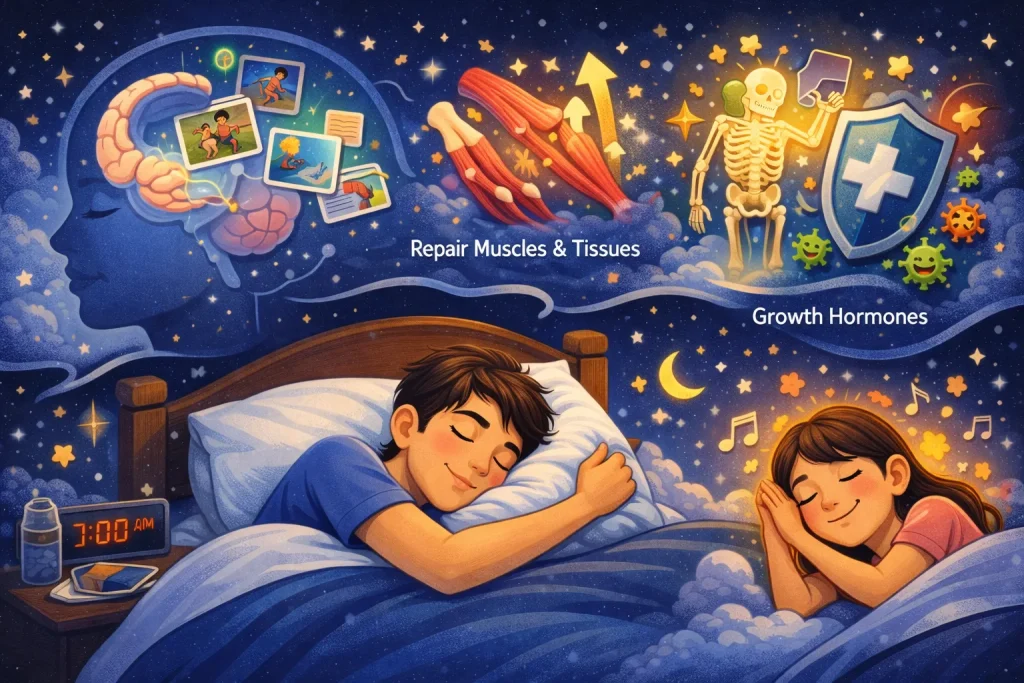
Sleep is not just “resting” — it’s a time when your body and brain are hectic doing important jobs. While you’re asleep:
- Your brain processes memories and helps improve learning.
- Your body repairs muscles and tissues and releases growth hormones that help bones and muscles grow.
- Your immune system gets stronger, helping you fight infections and stay healthy.
- Your mood and emotional balance are restored, so you can feel happier and calmer during the day.
How Much Sleep Do Teens Need?
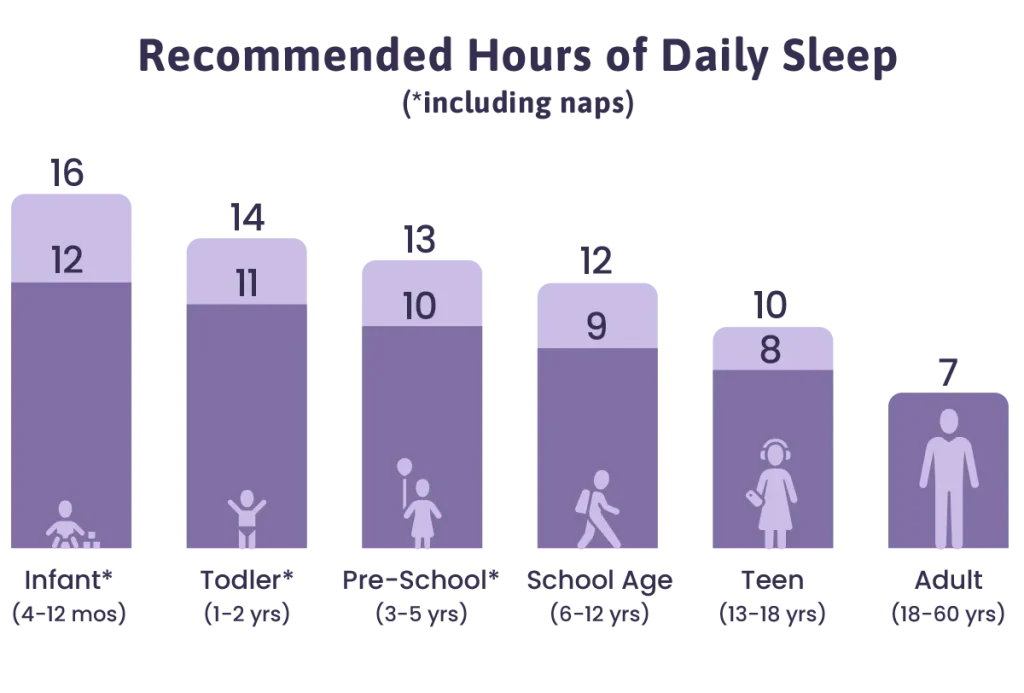
Most experts agree that teens aged 13–18 should aim for 8-10 hours of sleep each night. This is more than many adults need because teens are growing and their bodies and brains are developing fast.
Unfortunately, many teens get far less than the recommended amount of sleep. Studies show that many adolescents get only 6–7½ hours on school nights, which is not enough to support all the processes their bodies need.
Sleep Helps Your Brain — Really!
One of the most essential reasons teens need good sleep is that their brains are still developing. Sleep helps with:
Learning and Memory
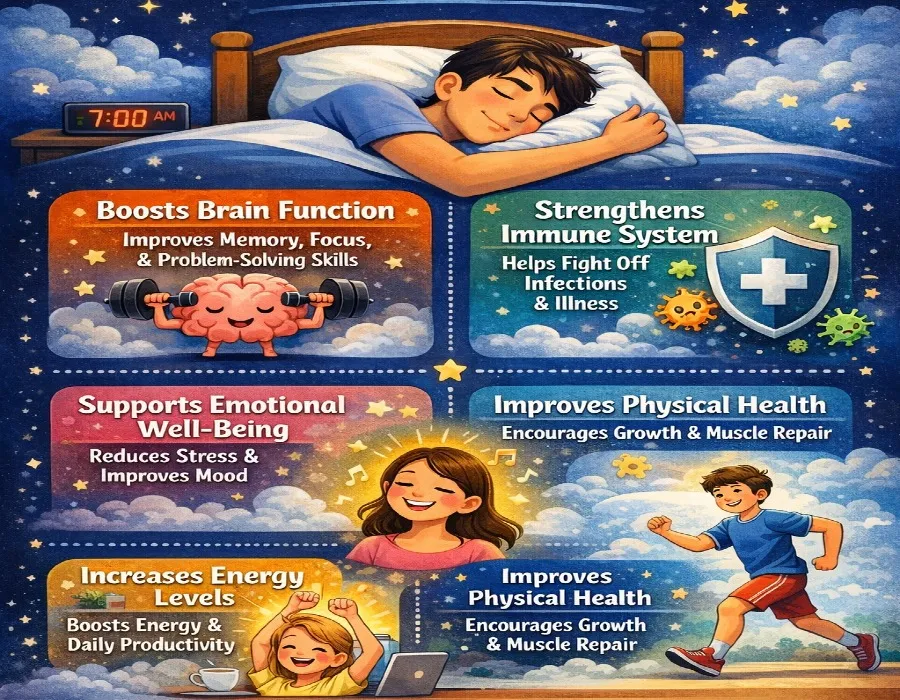
Sleep helps your brain store and organise information. When you learn something new — like math facts, vocabulary words, or a musical instrument — your brain “locks in” those new memories while you sleep. Teens who get enough sleep tend to think more clearly and recall information better than tired teens.
Better Focus and School Performance
Sleep helps you pay attention in class, finish homework, solve problems, and stay alert. When you’re tired, simple tasks can feel harder, and mistakes can happen more often.
Sharper Thinking
Recent research shows that teens who go to bed early and sleep well may even score better in thinking tests, including reading and problem-solving tasks.
Sleep and Physical Growth
When your body is sleeping deeply, it releases growth hormone — a chemical your body needs to grow taller, build strong muscles and bones, and repair itself after exercise. That’s why sleep is essential during the teenage years — it’s a time of significant physical change and growth.
Sleep also helps your immune system work properly, so you don’t get sick as often. Without enough sleep, your body might not be able to fight off germs as well.
How Sleep Affects Mood and Emotions
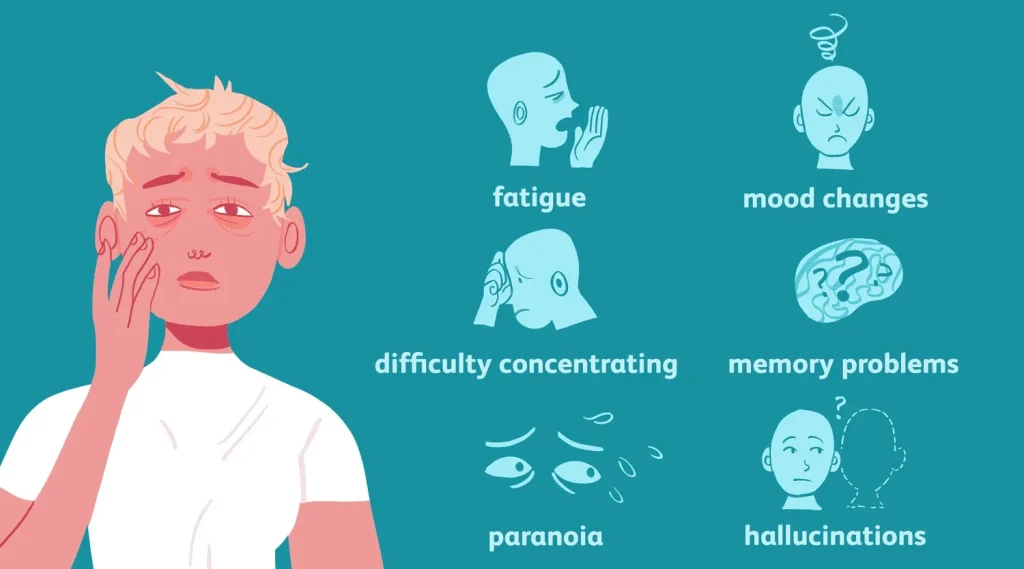
When you don’t sleep enough, it isn’t just your energy that drops — your mood can fall too. Sleep helps regulate emotions and manage stress. Teens who are sleep-deprived often feel:
- Irritable or grumpy
- Anxious or sad
- Less able to cope with daily problems
- More likely to feel overwhelmed by school and social life
Getting good sleep every night helps teenagers feel more balanced and ready to deal with challenges.
What Happens When Teens Don’t Get Enough Sleep?
When sleep is too short or of low quality, it affects many parts of life:
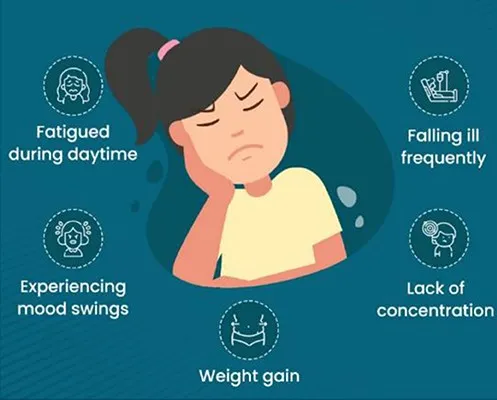
Tiredness and Daytime Sleepiness
This makes it hard to concentrate in school, pay attention to friends, or enjoy after-school activities.
Stronger Emotions and Mood Swings
Lack of rest can make feelings more intense and more challenging to control.
Safety Risks
Sleepiness can slow your reaction time and judgement — and this is especially dangerous if you’re driving or riding with friends in a car.
Higher Risk of Health Problems
Research links poor sleep in teens with things like obesity, high blood pressure, and weakened immunity, all of which can affect teen health now and later in life.
Why Teens Often Don’t Sleep Enough
There are a few reasons teens struggle to get enough sleep:
Body Clock Changes
Teenagers’ natural body clock shifts during puberty. This means many teens don’t feel sleepy until later at night — even if they must get up early for school.
Technology and Screens
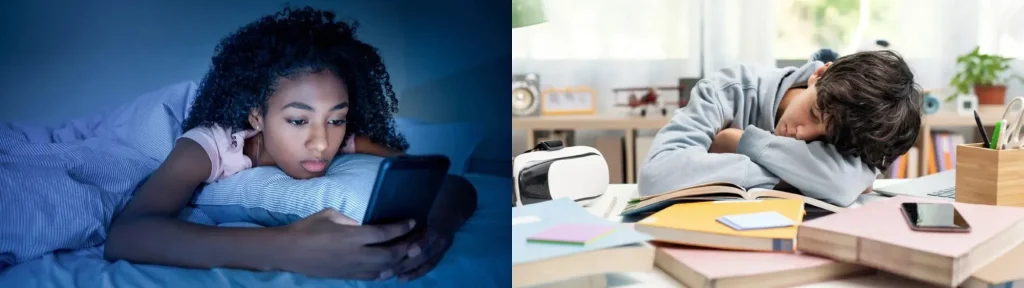
Phones, tablets, and computers emit blue light that makes it harder for the brain to start producing sleep hormones. This can delay sleep and make it harder to fall asleep at a good time.
Busy Lives
Homework, activities, sports, and social events can push bedtime later and reduce total sleep.
How to Sleep Better — Sleep Hygiene
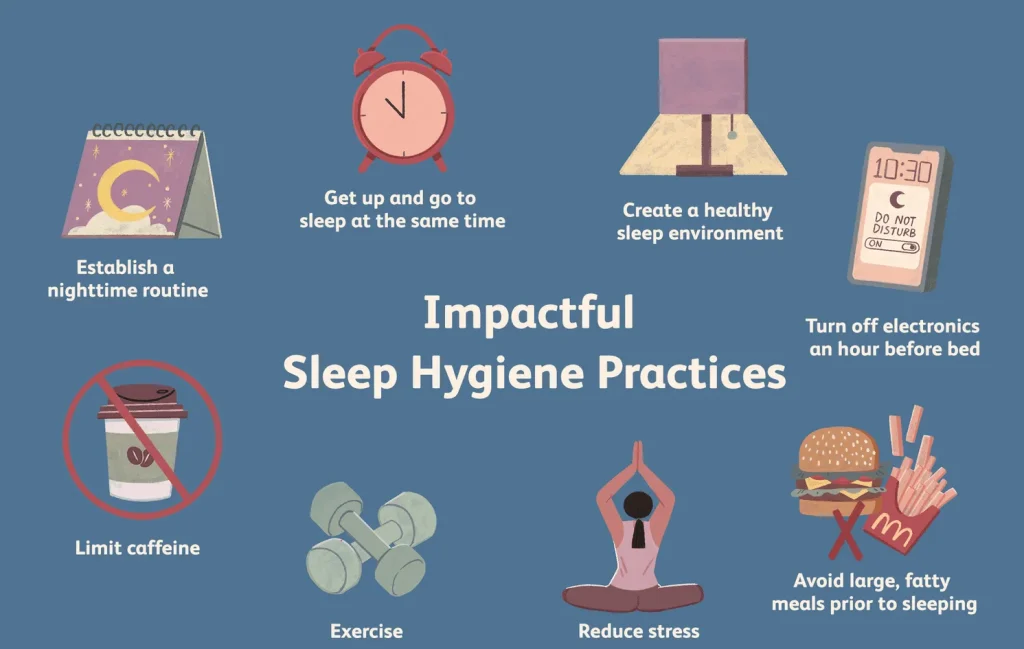
Sleep hygiene is a set of healthy habits that can help teens fall asleep more easily and sleep more soundly through the night. Good sleep hygiene includes:
- Going to bed and waking up at the same time every day
- Avoiding screens at least an hour before bedtime
- Keeping the bedroom quiet, dark, and cool
- Relaxing before bed — like reading a book or listening to calming music
- Avoiding caffeine and heavy foods before sleep
These simple routines can make a big difference in how well you sleep and feel the next day.
Doing Sleep Right Can Help Your Future
Good sleep habits now don’t just help you feel better today — they can set up healthy sleep patterns for later in life. Teens who learn how to sleep well often continue those habits into adulthood, which means better physical health, stronger minds, and happier moods as they grow older.
Final Thoughts
Sleep is one of the most powerful tools for your body and brain to stay healthy, grow properly, learn well, and feel good every day. For growing teens, sleep isn’t optional — it’s a vital part of life. Getting enough sleep can help you think more clearly, feel happier, stay healthier, and enjoy your teenage years to the fullest. So tonight, turn off the screens, settle into a calm bedtime routine, and let your body do the amazing things it does best when you rest!
For more interesting articles, please visit www.kidzherald.com


